Slit Fins: A Double-Edged Blade in Dirty Air
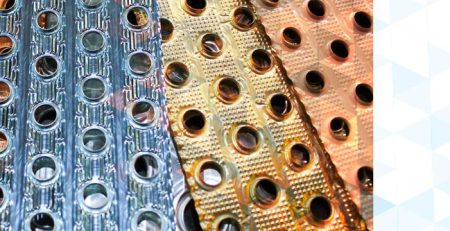
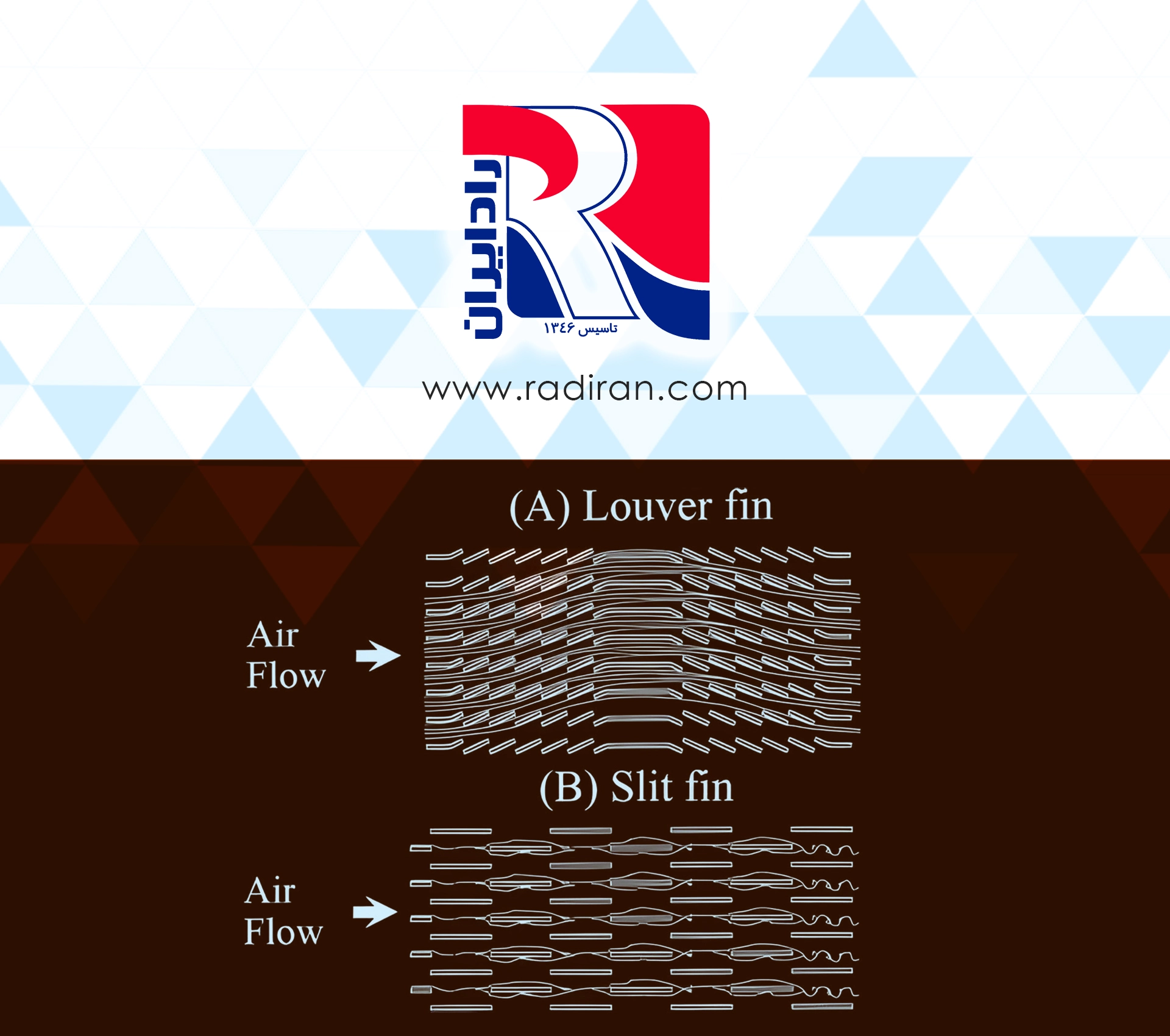
Slit and louvered fins are designed for one specific purpose: to break the air boundary layer, create controlled turbulence, and increase the heat-transfer coefficient. Under clean laboratory conditions, this geometry can raise the capacity of a fin-and-tube coil by 10 to 25% compared with a plain flat fin, which is why it looks so attractive in catalogs. But in units exposed to contaminated air, that same advantage turns into a weakness.
The problem begins when the slits become particle traps. Industrial dust, soot, lint, kitchen grease, salt, and even condensed moisture settle first inside the narrow slots. Unlike a flat fin that can be cleaned with a simple wash, deposits inside slits become compacted and hard. Three things then happen at the same time: the effective heat-transfer surface decreases, air-side pressure drop rises sharply, and airflow through the coil falls. The fan runs faster and consumes more power to compensate, noise increases, yet heating and cooling capacity does not rise. After a few months it can even fall below that of a coil with simple flat fins.
The next consequence is corrosion and hygiene. Wet deposits under the slits cause pitting corrosion of aluminum and galvanic corrosion between copper tubes and fins. In humid conditions, the same spots become sites for biofilm and mold growth, producing odor and poor indoor air quality. Cleaning is also costly: high-pressure water bends the delicate slit fins, and brushing is practically impossible. In other words, the wrong fin choice increases energy cost, maintenance, and premature coil replacement.
So where is the correct place for these fins? Only in clean, filtered air: office buildings with proper filtration, hospitals, data centers, hotels, and dry coils without heavy grease or dust. There, slit fins truly shine.
In polluted environments, the correct rule is this: the first rows of the coil in the air-entry direction should be plain flat fins with wide spacing, for example 6 to 8 fins per inch instead of 12 to 14. These two rows act as a shield and capture coarse particles. Slit fins, if needed at all, are allowed only in the deeper rows and after adequate filtration. Always use wider fin pitch in dirty air, apply hydrophilic or epoxy coating to prevent deposit adhesion, install the coil with sufficient drain slope and a washable drain pan, and place a replaceable pre-filter upstream of the coil.
The engineering conclusion is simple: At Radiran, we know in dirty air, capacity comes from a clean fin, not a complex fin. Keep slit fins for clean air, and for dirty air choose plain fins, open pitch, good filtration, and periodic washing.