Monthly Archives - September 2025

تأثیر فاصله فین (FPI) در کویل فین-تیوب بر راندمان حرارتی و افت فشار

Effect of Fins Per Inch (FPI) in Fin-Tube Coils on Thermal Efficiency and Pressure Drop

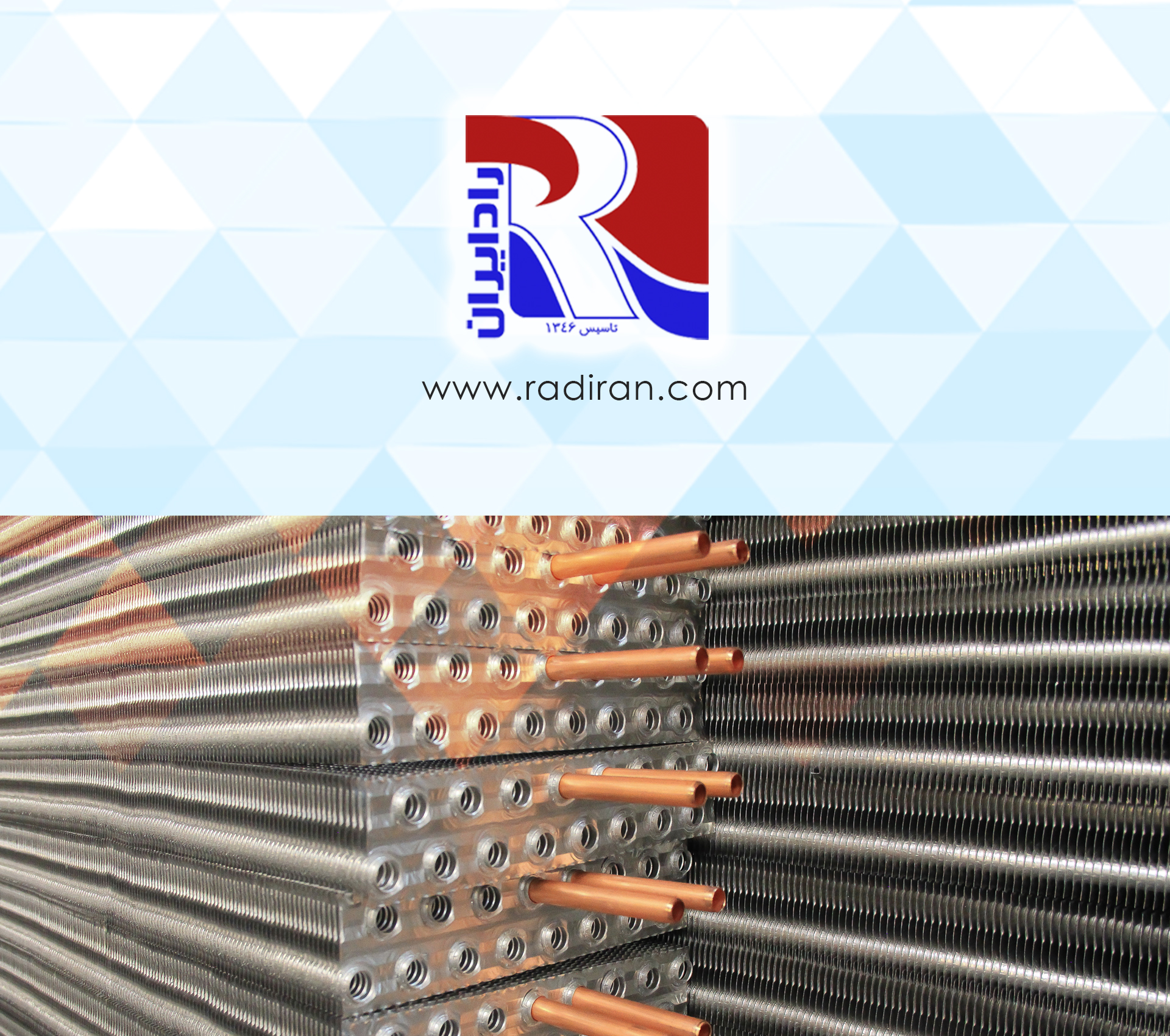
Fins per inch (FPI) is a key design parameter in fin tube coils that directly affects heat transfer performance and airside pressure drop. Increasing FPI means more fins per unit length; this change brings both benefits and trade offs. Effect on Thermal Efficiency • Increased heat transfer area: Higher FPI increases the total fin surface area in contact with air, typically raising the overall heat transfer capacity of the coil. • Improved boundary layer disruption: More fins create more frequent air–metal interfaces, which...
Read more...
پروسه اکسپند لوله مسی به فین آلومینیمی در کویل فین لوله

Tube Expansion Process for Bonding Copper Tubes to Aluminum Fins in Fin–Tube Coils

<p> The tube expansion (expand) process used to bond copper tubes to aluminum fins in fin–tube coils is one of the critical manufacturing operations in heat exchanger production. The primary objective of this process is to create a stable mechanical and thermal contact between the tube and the fin such that thermal conductivity between the inner tube surface and fin surface is maximized, while ensuring sufficient mechanical strength and structural cyclic durability.

Process Steps and Methods

1. Alignment and...

Read more...
Flow of Refrigerant and Water in a Shell-and-Tube Evaporator in a Vapor-Compression Chiller

Flow of Refrigerant and Water in a Shell-and-Tube Evaporator in a Vapor-Compression Chiller

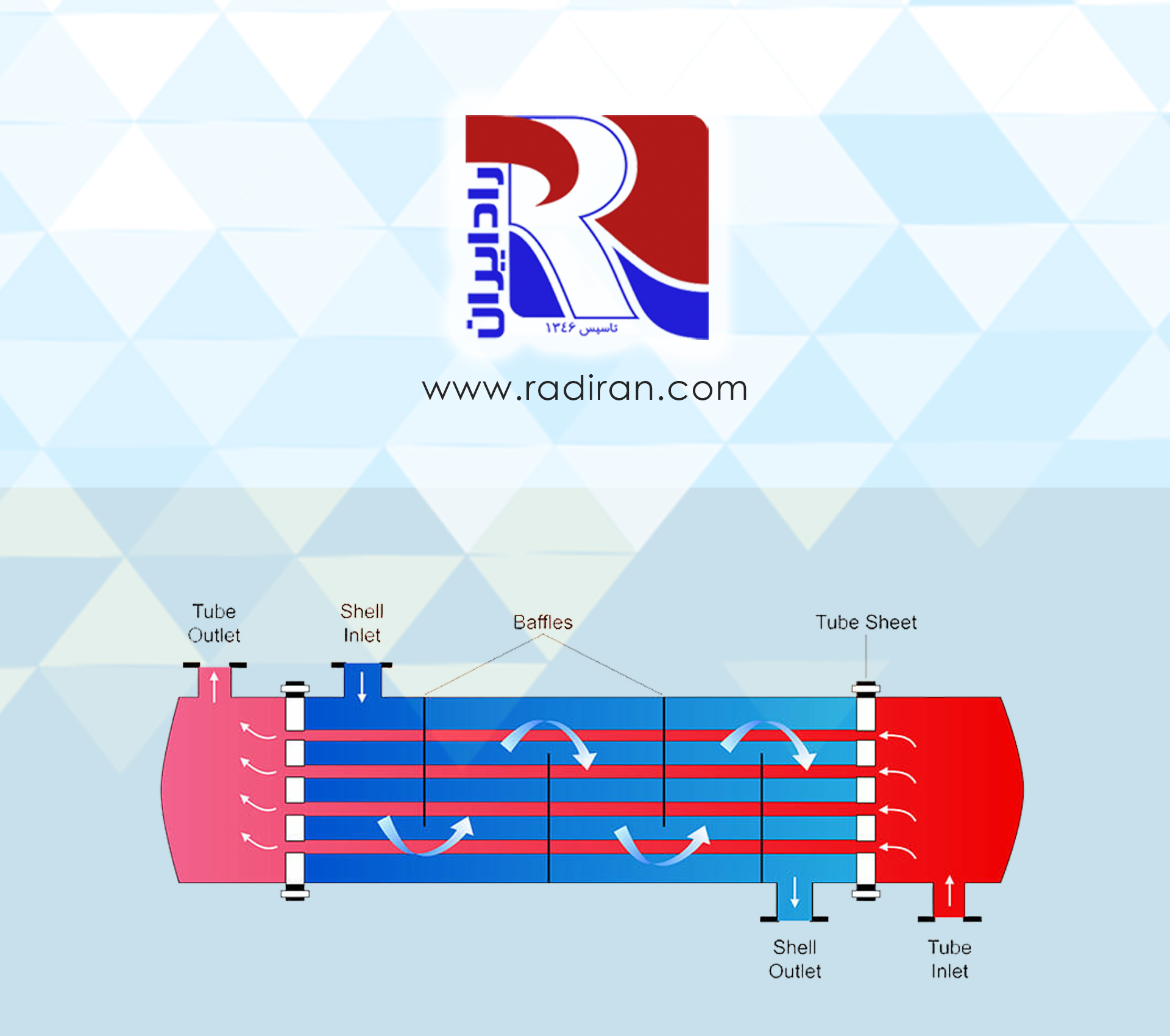
A shell-and-tube evaporator is one of the most common heat exchanger types used in vapor-compression chillers. This article examines the refrigerant and water flows, their thermal and hydrodynamic interactions, and design and operational considerations from a mechanical engineer’s perspective. General Description and Flow Configuration A shell-and-tube evaporator typically consists of a bundle of tubes placed inside a shell. In a typical chiller, the refrigerant flows inside the tubes while the chilled water (or brine) flows in the shell; depending on design, this...

Read more...