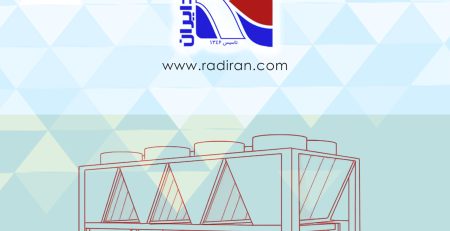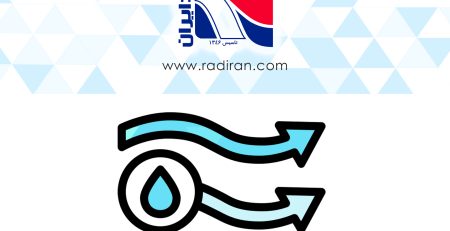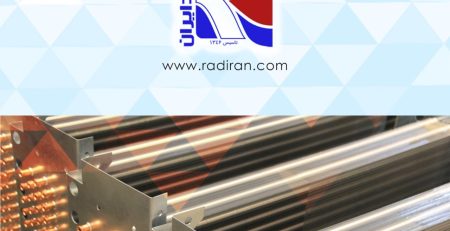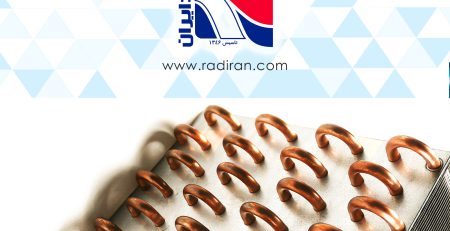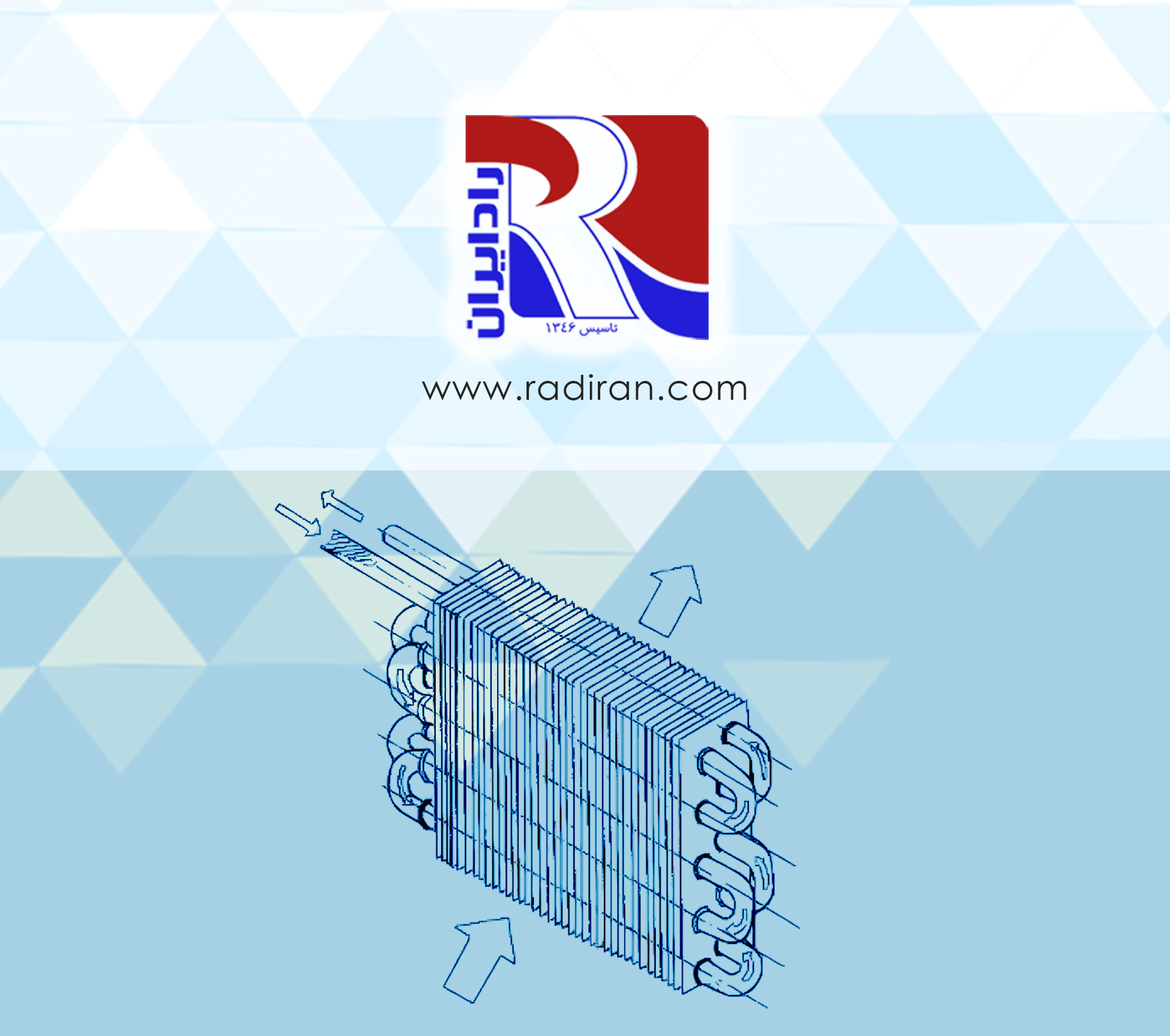
Fluid flow direction inside the coil – upward and downward
Introduction
- In HVAC and refrigeration systems, the direction of fluid flow inside coils critically affects performance, heat transfer, and serviceability. Fin-tube water coils and refrigerant condensers require different flow orientations for distinct physical reasons.
- Fin-tube water coil — upward flow
- Problem addressed: Air trapped in tubes reduces heat transfer and creates zones of poor flow.
- Hydrodynamic reason: Air is much less dense than water and tends to accumulate at high points and corners of the coil. If water flows upward (bottom-to-top), entrained air bubbles are carried with the flow toward the top and can be vented through air vents/air bleeders.
- Advantages:
- Effective removal of air and prevention of air pockets
- More uniform water distribution across tubes and sustained thermal performance
- Reduced localized corrosion and less water-hammer/noise caused by trapped bubbles
- Implementation notes: Provide venting at the highest points of the coil, maintain slight upward velocity and pipe slope, and include automatic or manual air vents.
- Refrigerant condenser coil — downward flow
- Refrigerant behavior: In a condenser the hot vapor from the compressor releases heat and condenses (gas → liquid). Phase change produces a dense liquid that tends to collect under gravity.
- Reason for downward flow: Directing refrigerant flow from top to bottom uses gravity to promote continuous drainage of condensed liquid, preventing accumulation and uneven flooding of coil circuits.
- Advantages:
- Self-drainage of condensate and reduced risk of thick liquid films that lower local heat-transfer coefficients
- More stable condensate removal reduces the chance of liquid carryover or return to the compressor (in systems where liquid migration is a concern) and supports efficient condensation
- Implementation notes: Use proper liquid distributors, piping/drainage to collect condensate, and control condenser pressure/temperature to maintain intended flow patterns.
Summary
- Upward water flow in fin-tube coils facilitates entrained-air removal and preserves heat-transfer efficiency. Downward refrigerant flow in condensers leverages gravity and phase-change behavior to drain condensate reliably and optimize condensation. Flow direction selection is driven by relative densities, phase-change effects, and fluid mechanics to ensure reliable, efficient operation.