Monthly Archives - May 2025

برج خنک‌کن هیبریدی — بررسی فناوری، مزایا و کاربردها

Hybrid Cooling Towers — Technology Review, Advantages, and Applications

<p>
Abstract

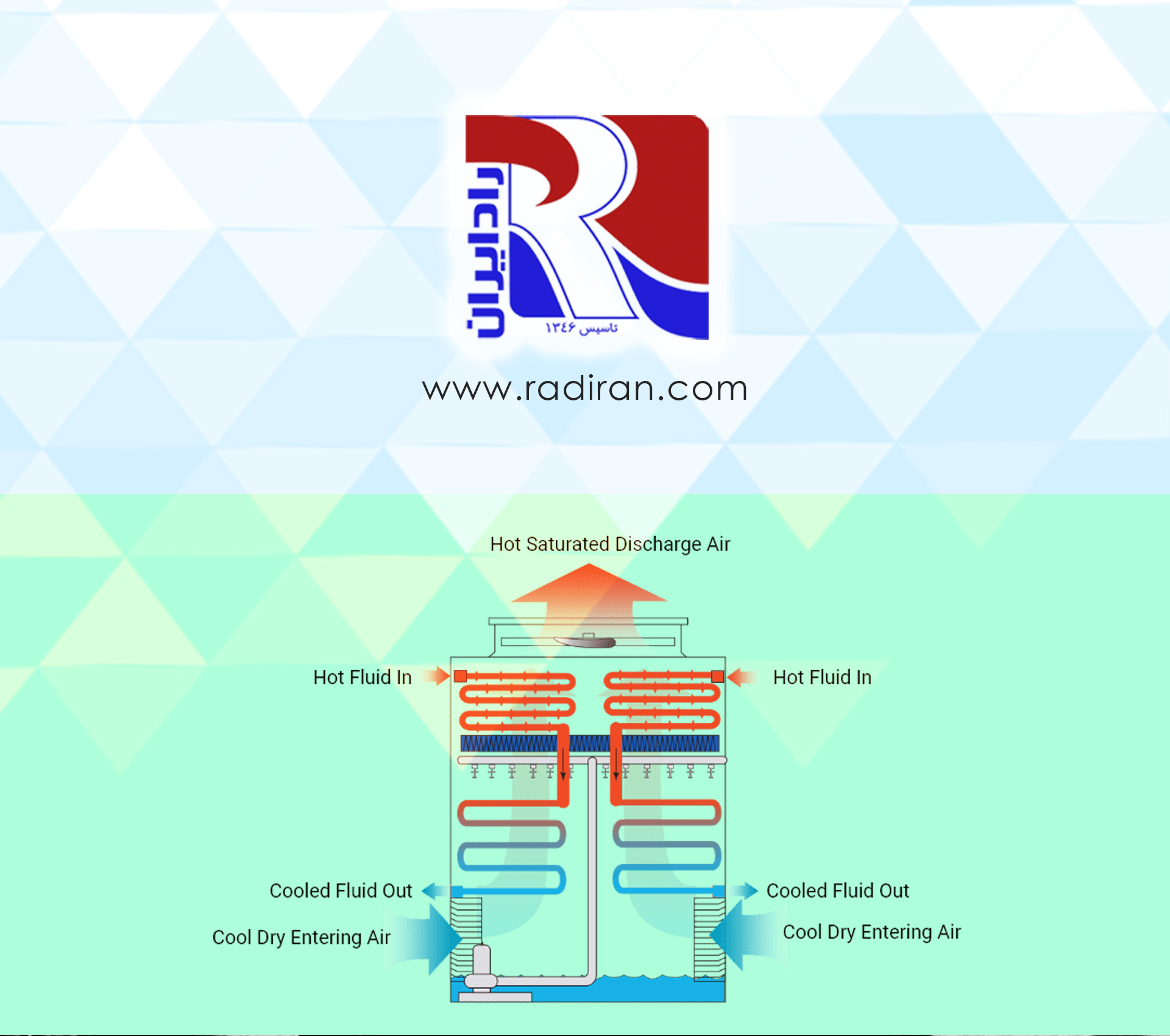
Hybrid cooling towers, as an advanced generation of cooling systems, integrate both dry and wet cooling methods. This technology reduces water consumption and increases energy efficiency while addressing the environmental challenges associated with traditional cooling systems. This article provides a comprehensive review of the technical principles, structure, performance, advantages, disadvantages, and application areas of hybrid cooling towers.

Introduction

Across various industries, cooling systems play a crucial role in maintaining optimal equipment performance and process stability. Cooling towers are...

Read more...
وظیفه قطره‌گیرها در برج خنک‌کن

The Role of Drift Eliminators in Cooling Towers

Reducing the Amount of Water Droplets Carried with the Exhaust Air (Drift Reduction) The primary function of drift eliminators is to prevent small water droplets from escaping the cooling tower along with the airflow. Water droplets suspended in the air stream (drift) can cause environmental problems (pollution of surrounding soil and water) and water loss in the system. Drift eliminators collect and separate these droplets, minimizing water loss. Environmental Protection and Water Conservation By reducing the amount of suspended...
Read more...
میانگین دمای لگاریتمی

Logarithmic Mean Temperature Difference

1. Definition of Logarithmic Mean Temperature Difference (LMTD)

The logarithmic mean temperature difference is not an arithmetic average but a logarithmic one, used to calculate the temperature difference between two fluid streams in a heat exchanger where temperatures gradually change. The general formula is: ΔT1= temperature difference at the beginning of the path (e.g., hot fluid temperature minus cold fluid temperature at the inlet) ΔT2​ = temperature difference at the end of the path (e.g., hot fluid temperature minus cold fluid temperature at the outlet) ln...

Read more...
hvac

HVAC

HVAC stands for heating, ventilation, and air conditioning. The system is generally used in buildings or homes to control the indoor climate by regulating the temperature, humidity, and air quality. The aim of HVAC systems is to provide a comfortable and healthy living space for the occupants. An efficient HVAC system will not only provide comfortable conditions but can also reduce utility bills and improve indoor air quality. The heating component of an HVAC system involves various types of heating...

Read more...