Finned Tube Coils

سرعت استاندارد آب در یک کویل فین‌تیوب مسی

Standard Water Velocity in a Copper Fin-Tube Coil

The standard water velocity in a copper fin-tube coil is selected to maintain a balance between heat transfer performance, pressure drop, noise level, and equipment durability. If the water velocity is too low, the flow inside the tube becomes weak and the heat transfer coefficient drops. In this condition, the water spends more time in the coil, but the internal mixing is insufficient, so heat is not transferred effectively. As a result, the coil cannot reach its expected thermal capacity, and...

Read more...
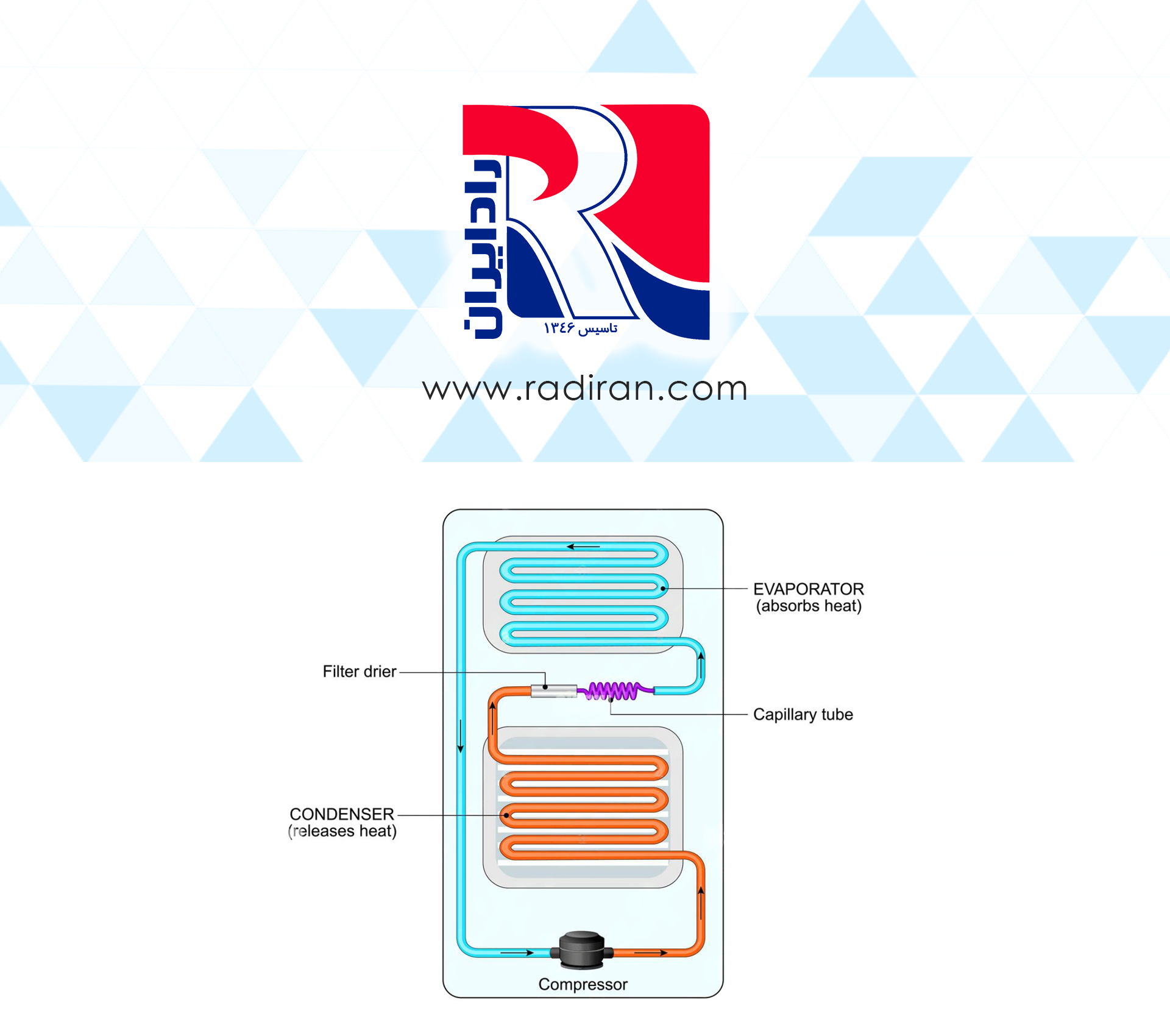
پروسه کندانس مبرد در کندانسور - کویل فین تیوب

The Process of Refrigerant Condensation in a Condenser – Fin-and-Tube Coil

Refrigerant condensation in a fin-and-tube coil condenser is one of the main stages in the refrigeration and air-conditioning cycle. In this section, the refrigerant leaves the compressor as high-pressure, high-temperature superheated vapor and enters the condenser, where it must release its heat to the surrounding environment and change into liquid. This process is essential for the operation of any cooling system. First, the hot vapor refrigerant enters the tubes of the coil, which are usually made of copper or aluminum. Because...

Read more...
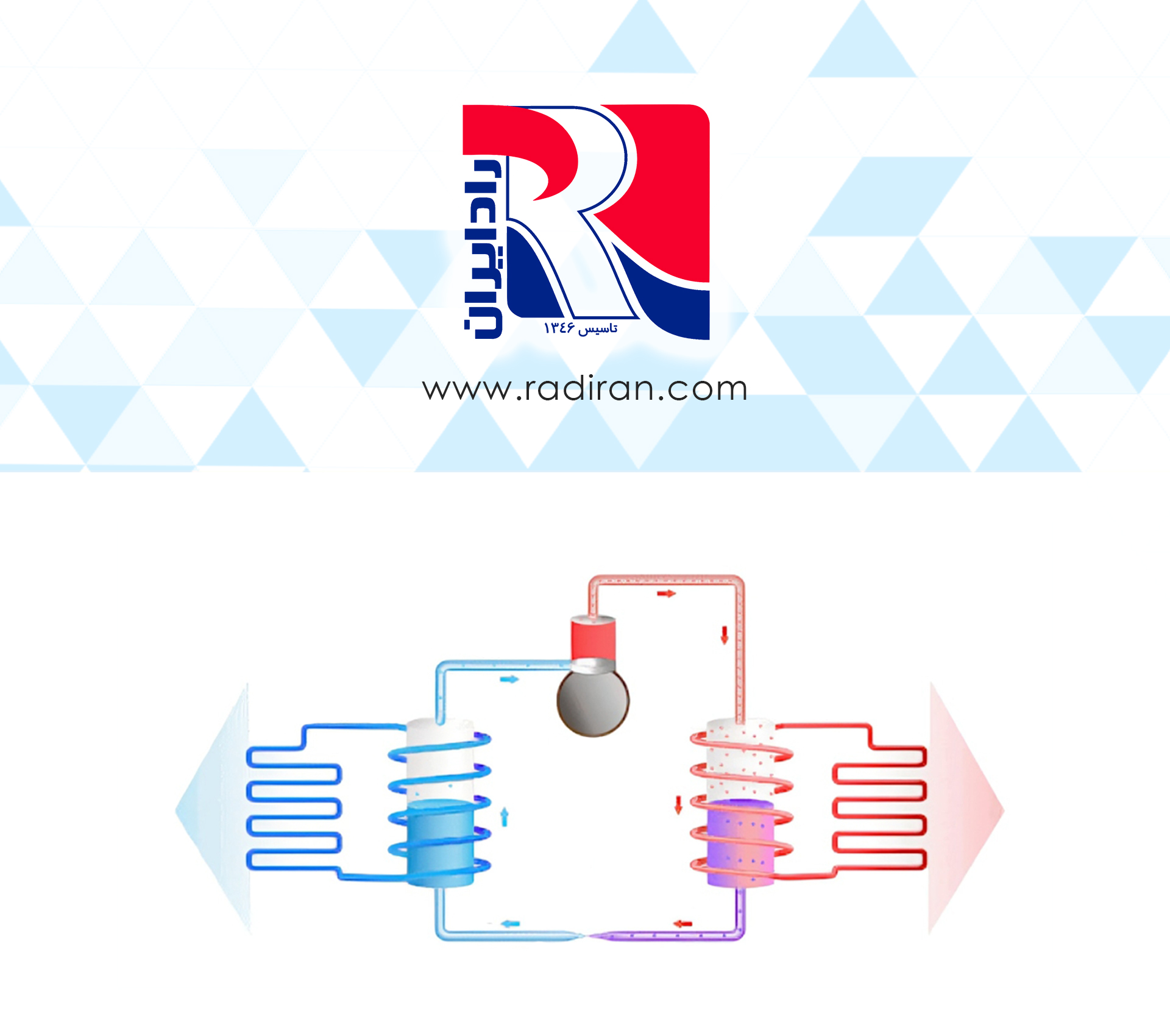
جوشش مبرد

Boiling of Refrigerant in the Evaporator – Fin-and-Tube Coil

The evaporator is one of the most important components of the refrigeration cycle, and its main job is to absorb heat from the surrounding environment and convert the refrigerant from liquid to vapor. In a fin-and-tube coil, the refrigerant flows inside the tubes while air passes over the fins. The fins increase the heat-transfer surface area, allowing heat to move from the air to the refrigerant more efficiently. As a result, the temperature of the surrounding environment drops. Boiling begins when...

Read more...
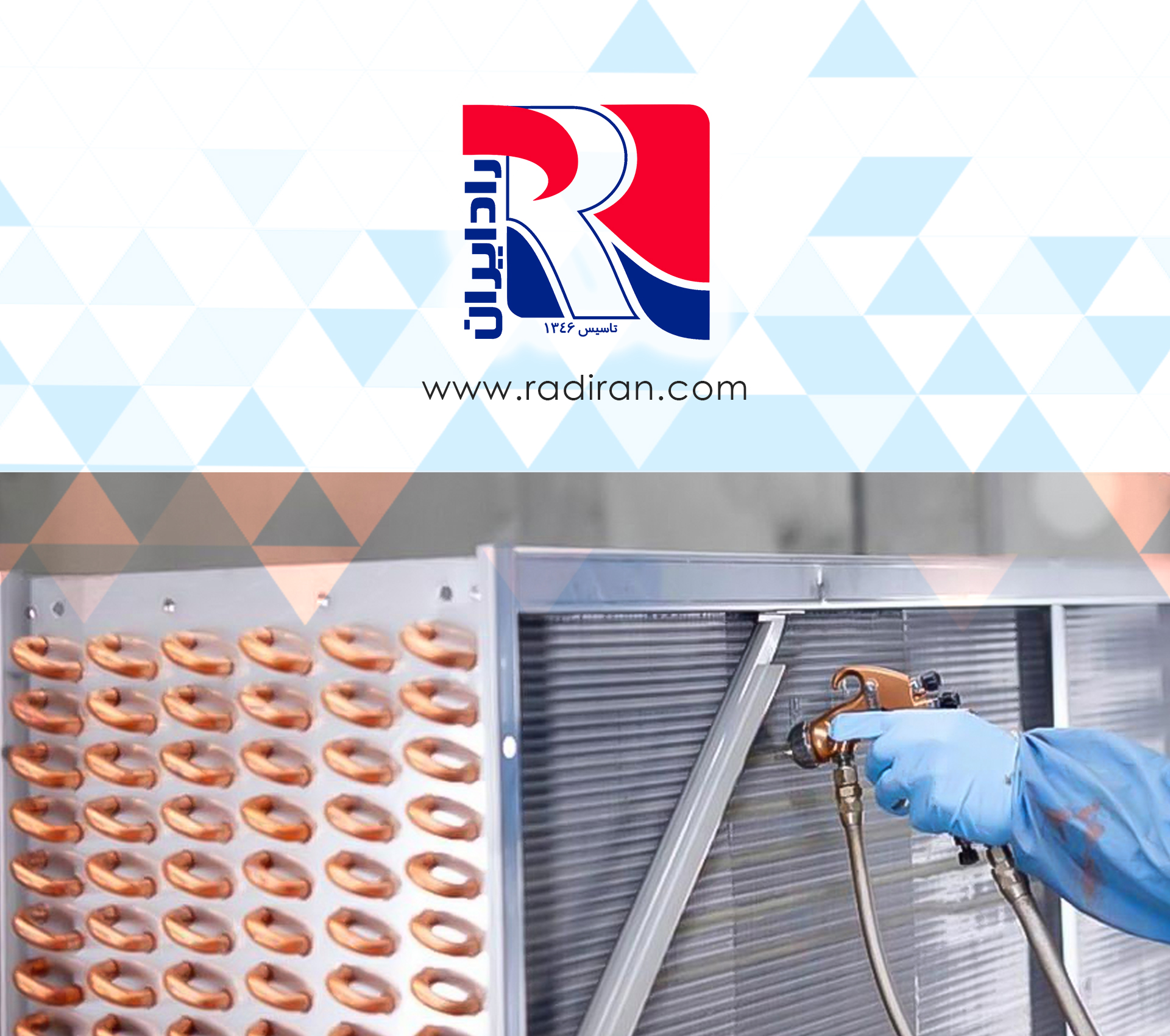
کویل فین‌تیوب

Use of Thermoguard Coating in Finned Tube Coils

A finned tube coil is one of the most important components in heat exchangers, air handling units, condensers, and evaporators, where its main function is to transfer heat efficiently between the fluid inside the tube and the air flowing across the fins. In these coils, the fins are typically made of aluminum and the tubes of copper. Aluminum is chosen for its light weight and good thermal conductivity, while copper provides excellent heat transfer performance and strong pressure resistance. However, this metal combination...

Read more...
چرا در کویل فین‌تیوب بهتر است از لوله مسی استفاده شود؟

Why Copper Tubes Are Preferable in Fin-Tube Coils?

<p> In the design and manufacturing of fin-tube coils used in HVAC systems, chillers, and heat exchangers, selecting the tube material is one of the most critical engineering decisions. The two main options are copper and aluminum tubes. Industry experience and technical research consistently show that copper holds significant advantages over aluminum. Higher Heat Transfer Coefficient Copper, with a thermal conductivity of approximately 400 W/m·K, is nearly twice as efficient as aluminum at roughly 205 W/m·K. This directly impacts coil efficiency, allowing...

Read more...
تحلیل و مقایسه تأثیر جریان‌های متقاطع و جریان موازی هم‌جهت و غیر هم‌جهت بر انتقال حرارت و پارامترهای عملکردی در کویل‌های فین‌تیوب

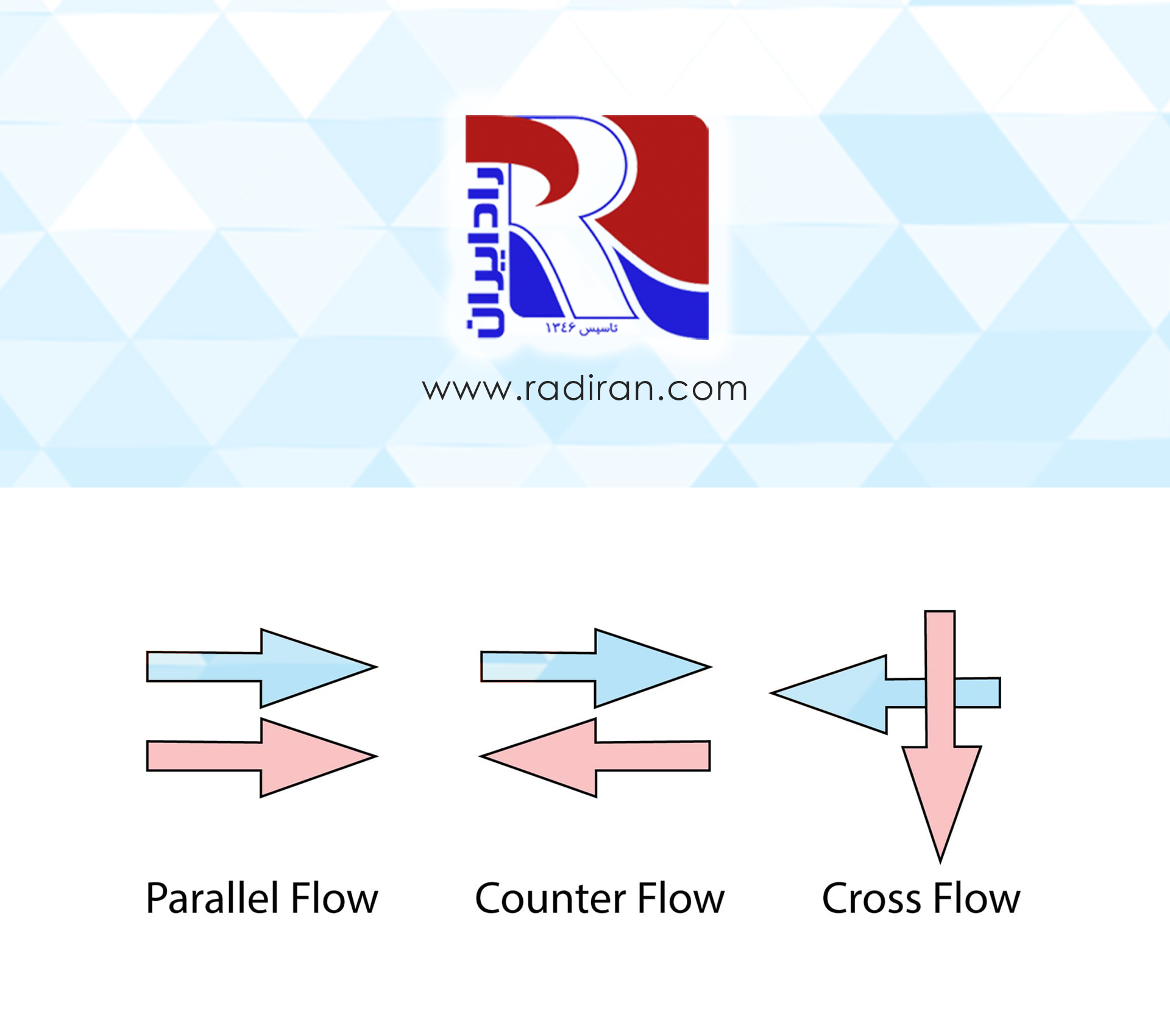
Analysis and Comparison of the Effects of Crossflow and Parallel Flow (Co-flow and Counter-flow) on Heat Transfer and Performance Parameters in Finned Tube Coils

Finned tube coils are essential components in heating, ventilation, air conditioning (HVAC), and refrigeration systems, where efficient heat transfer between fluids and air is paramount. In these systems, the direction of fluid flow relative to the airflow—typically classified as crossflow, parallel co-flow, or parallel counter-flow—significantly impacts thermal performance and operational parameters. This study aims to analyze and compare the effects of these flow configurations on heat transfer efficiency, pressure drop, and overall coil effectiveness.

Flow Configurations in Finned Tube...

Read more...