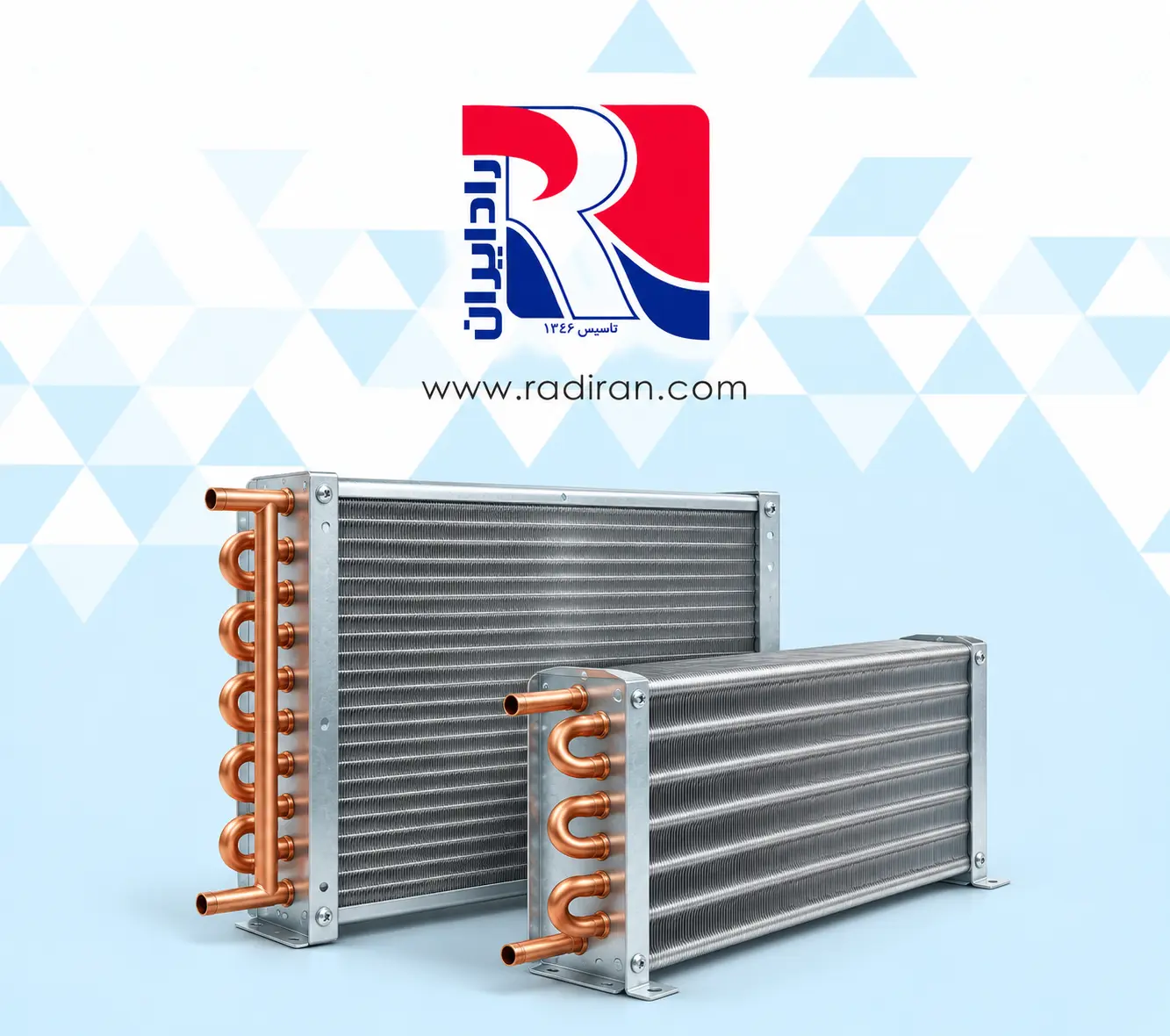
Condenser Coil

رادیران - نقش کویل‌ها در سیکل تبرید؛ تفاوت کویل اواپراتور و کندانسور
Radiran - The Role of Coils in the Refrigeration Cycle: Evaporator and Condenser Coils

The Role of Coils in the Refrigeration Cycle: Evaporator and Condenser Coils

Coils are key heat-transfer components in refrigeration, air conditioning, and cold-storage systems. They provide a heat-transfer path between the refrigerant and another fluid, such as air or water. In a conventional vapor-compression refrigeration cycle, the evaporator absorbs heat from the space or fluid being cooled, while the condenser rejects heat to another medium. A refrigeration system therefore does not “produce cold.” It consumes energy to transfer heat from a lower-temperature region to a higher-temperature region. Proper coil performance, together with the...
Read more...
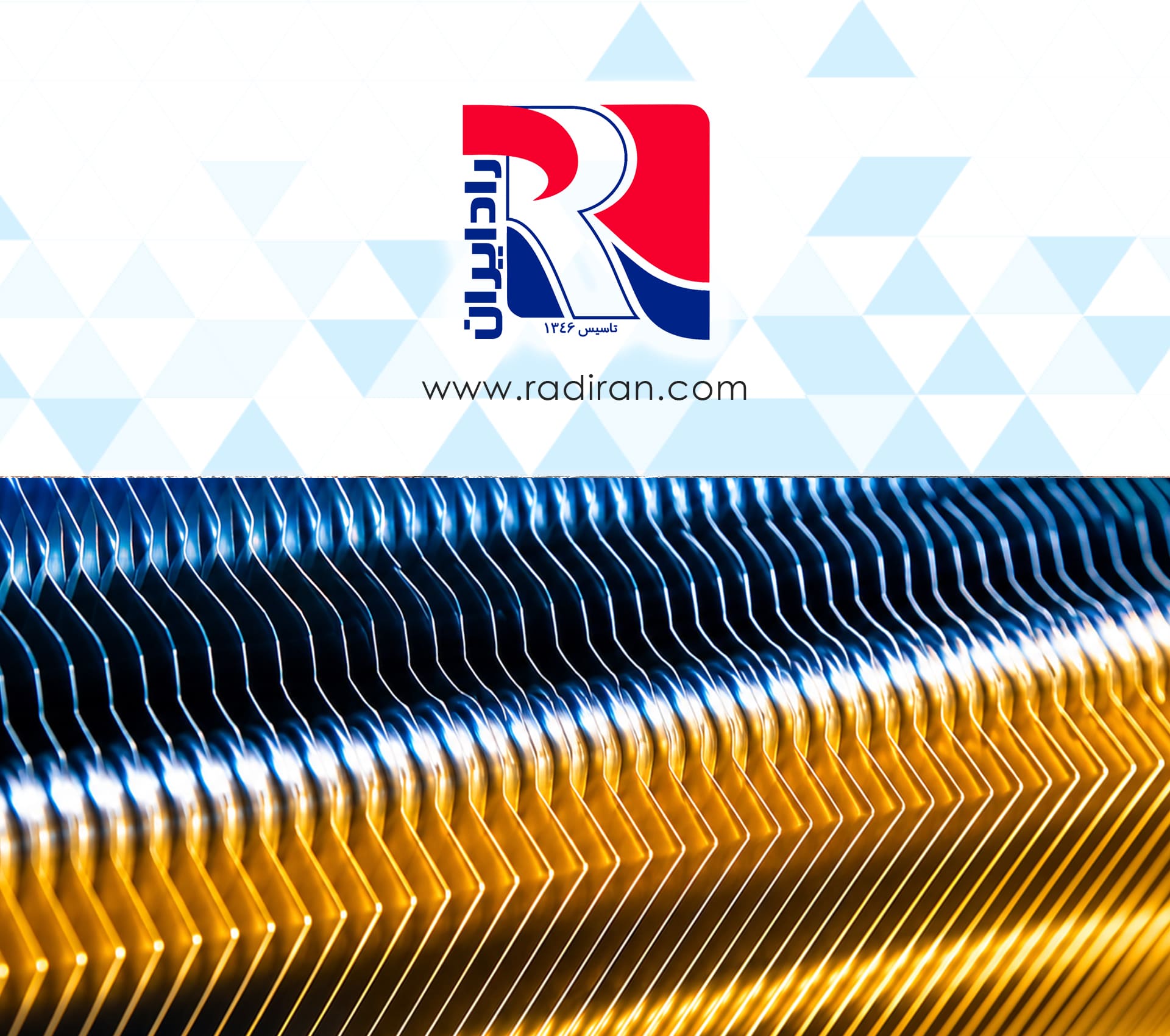
مقایسه Blue Fin و Gold Fin در کویل کندانسور

Blue Fin vs Gold Fin Condenser Coils

Condenser coils are among the most important components of air conditioners and HVAC systems. Their primary function is to transfer heat from the refrigerant to the outside air, allowing the refrigerant to change from gas to liquid. The better this process works, the higher the system's efficiency and the lower its energy consumption. Since the condenser is typically installed outdoors, it is constantly exposed to moisture, dust, rain, airborne salt, pollution, and temperature fluctuations. These factors cause corrosion, rusting, and...

Read more...
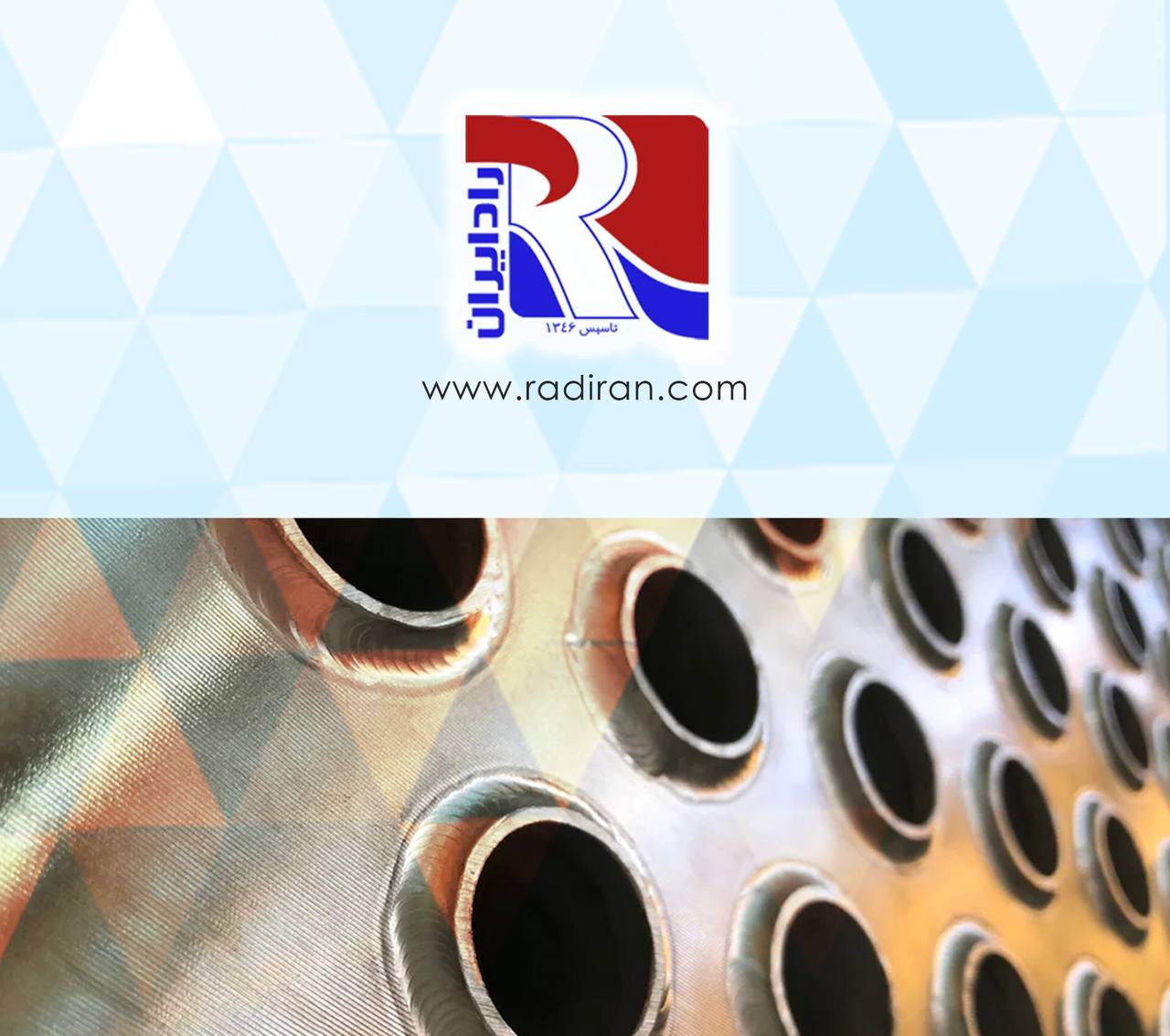
COUNTER FLOW EFFECT

Counter flow

Counter flow and parallel flow refer to the direction of fluid movement in a heat exchanger, such as coils. In counter flow, the hot and cold fluids move in opposite directions, maximizing the temperature difference along the entire length of the exchanger. This results in efficient heat transfer. In contrast, parallel flow involves both fluids moving in the same direction. While it still allows heat transfer, the temperature difference decreases along the length of the exchanger, potentially leading to lower efficiency...

Read more...