Blue Fin vs Gold Fin Condenser Coils
Condenser coils are among the most important components of air conditioners and HVAC systems. Their primary function is to transfer heat from the refrigerant to the outside air, allowing the refrigerant to change from gas to liquid. The better this process works, the higher the system’s efficiency and the lower its energy consumption. Since the condenser is typically installed outdoors, it is constantly exposed to moisture, dust, rain, airborne salt, pollution, and temperature fluctuations. These factors cause corrosion, rusting, and reduced device lifespan. For this reason, manufacturers apply special coatings to protect the coils.
Condenser coils are usually made of copper and aluminum. Copper has high thermal conductivity, while aluminum is lightweight and cost-effective. However, the metal alone is not sufficient, because direct contact with moisture and corrosive substances can gradually degrade the coil surface. To address this issue, technologies such as Blue Fin and Gold Fin have been developed. These two types of coatings not only protect the coil but also help improve the overall performance of the air conditioner.
What is Blue Fin?
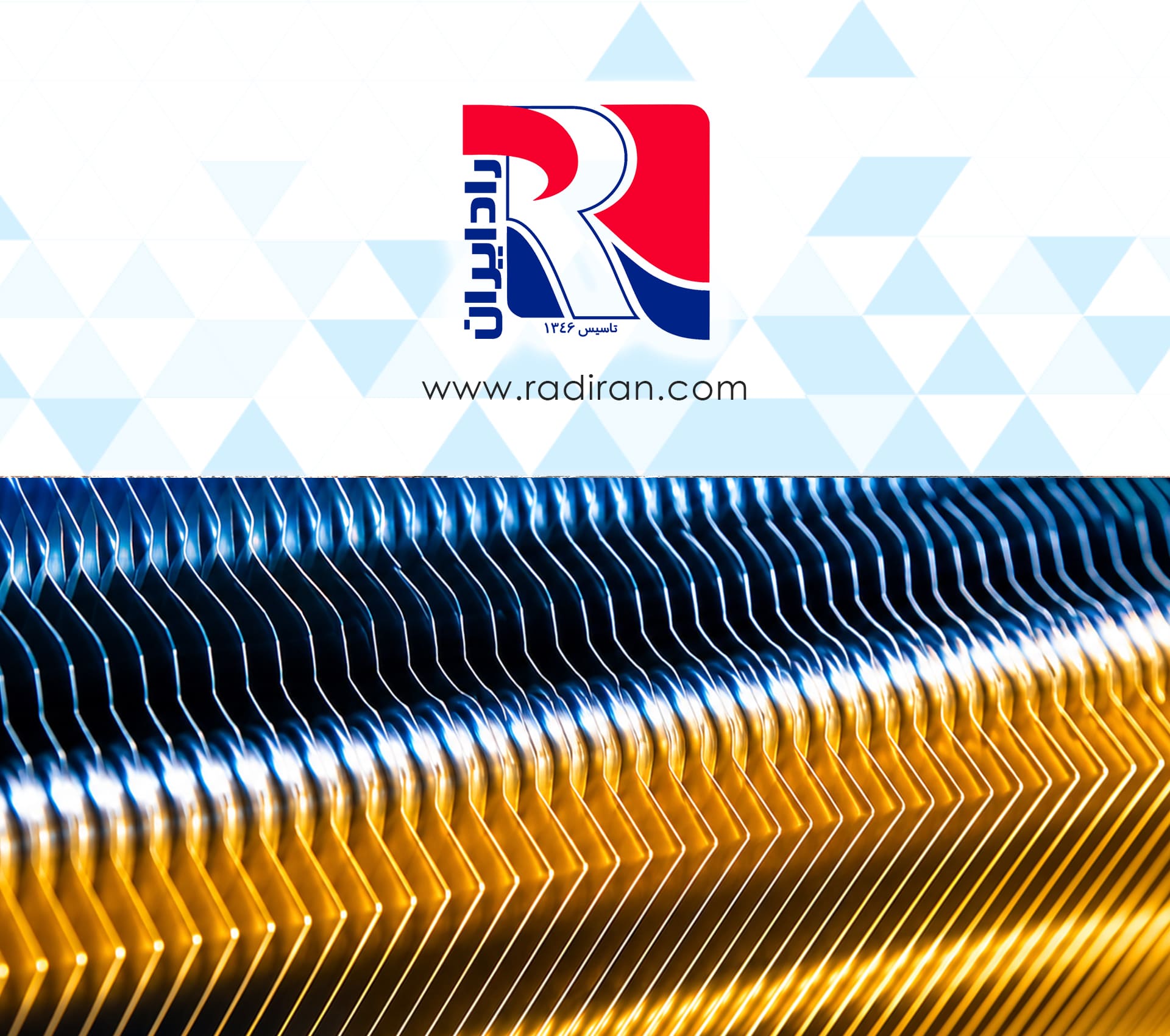
Blue Fin is an epoxy coating applied to the surface of condenser coils or fins. It gets its name from the blue color it gives to the coils. Epoxy is a durable, adhesive material that forms a protective layer over the metal surface. The most important feature of Blue Fin is its hydrophilic property. This characteristic causes water droplets to slide off the surface easily rather than remaining on it.
This feature is especially important because water accumulation on the coil surface can create conditions for bacterial growth, fungal development, and sediment buildup. Additionally, if water and debris remain on the fins, airflow is obstructed and heat transfer is reduced. Blue Fin helps keep the coil surface clean by reducing water adhesion and preventing dirt accumulation. As a result, the device cools more effectively and the compressor operates under less strain.
Advantages of Blue Fin
• Good resistance to moisture and corrosion
• Improved heat exchange efficiency
• Reduced accumulation of water, dust, and contaminants
• Lower cost compared to more advanced technologies
• Suitable for many budget-friendly and mid-range air conditioners
Despite these advantages, Blue Fin is not a perfect solution for all conditions. In highly humid areas, coastal regions, or environments with high salt and pollution levels, its protection may not be as effective as Gold Fin. However, due to its lower cost and acceptable performance, it is still widely used.
What is Gold Fin?
Gold Fin is a more advanced generation of protective coil coatings. In this technology, a nano-layer or golden-colored coating is applied to the condenser surface. Some manufacturers use compounds like titanium dioxide in this process to increase the surface’s resistance to environmental factors. Like Blue Fin, Gold Fin is resistant to rust, moisture, rain, salt, and corrosive substances, but it typically offers a higher level of protection.
An important advantage of Gold Fin is that it protects the coil while maintaining effective heat transfer. The coating does not interfere with the coil’s natural function and allows the refrigerant to cool efficiently. As a result, the HVAC system operates with less strain and energy consumption is reduced. This feature is especially valuable in hot and humid climates.
Advantages of Gold Fin
• Stronger protection against corrosion and harsh environmental conditions
• Increased condenser lifespan
• Improved energy efficiency and cooling performance
• Suitable for coastal, humid, and polluted areas
• Better preservation of coil conductivity and performance
Gold Fin is generally regarded as a more advanced option compared to Blue Fin. For this reason, it is commonly used in modern air conditioners or models designed for harsh climate conditions.
Hydrophilic Blue Fin
Some models utilize Hydrophilic Blue Fin technology. In this method, the aluminum coil surface is enhanced with a hydrophilic coating to prevent water droplets from accumulating. This is particularly important for preventing galvanic corrosion. Galvanic corrosion occurs when two different metals come into contact with moisture and corrosive substances, gradually damaging the coil structure. Hydrophilic Blue Fin prevents this issue by reducing water retention on the surface, thereby extending the coil’s useful life.
Overall Comparison
To put it simply, Blue Fin is an economical and reliable choice suitable for general use. In contrast, Gold Fin provides a higher level of protection and is a better option for more demanding conditions. Both technologies help extend device lifespan, reduce corrosion, and improve efficiency, but Gold Fin generally offers stronger performance.
Conclusion
The choice between Blue Fin and Gold Fin depends on the usage conditions, budget, and installation environment. If you’re looking for a cost-effective air conditioner with adequate protection, Blue Fin is a good choice. However, if greater durability, higher resistance, and better performance in harsh climates are priorities, Gold Fin is the more suitable option. In any case, the presence of such coatings plays a significant role in extending the lifespan and improving the efficiency of HVAC systems.