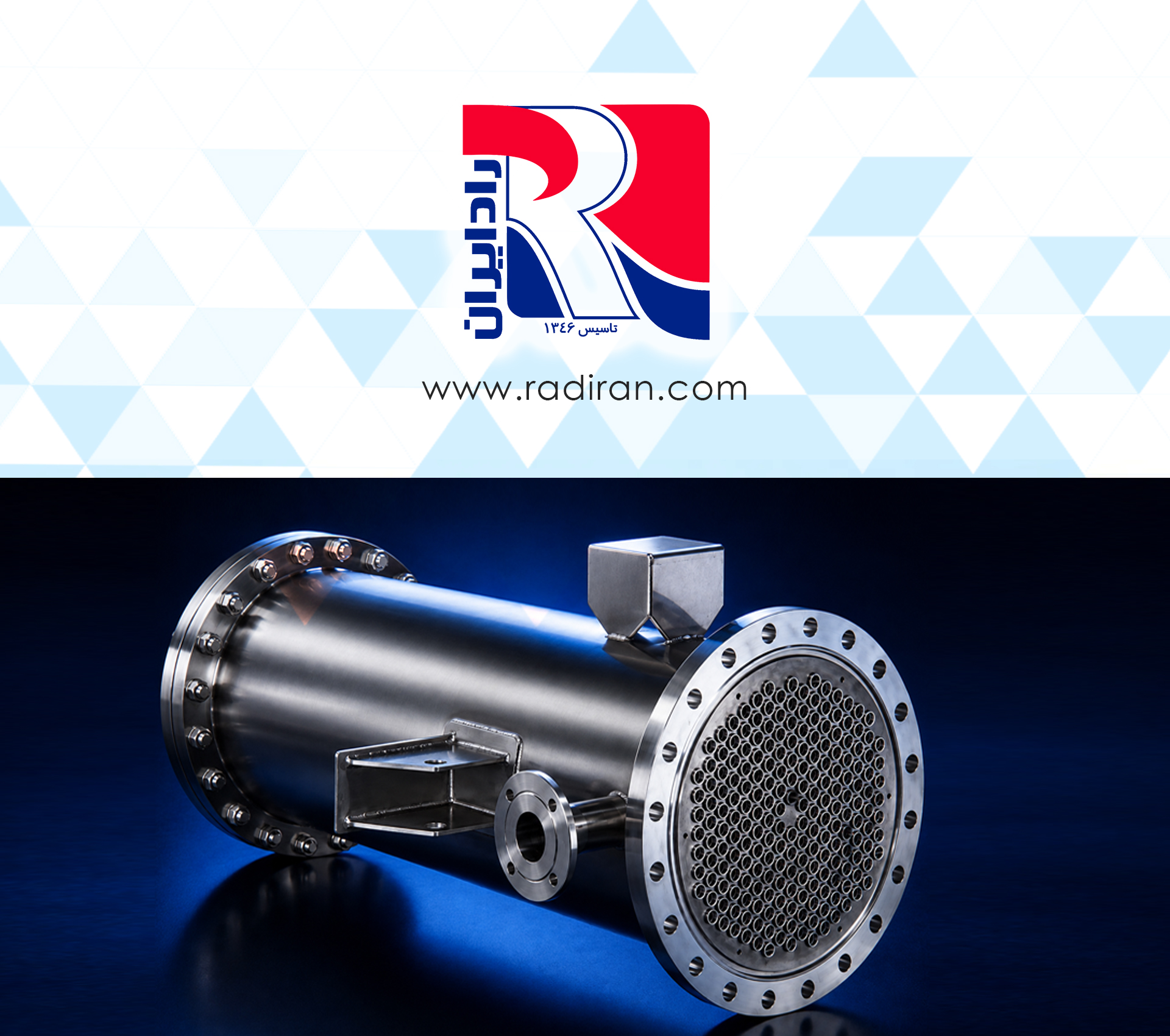
water-cooled condenser
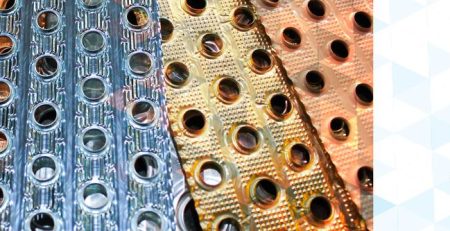
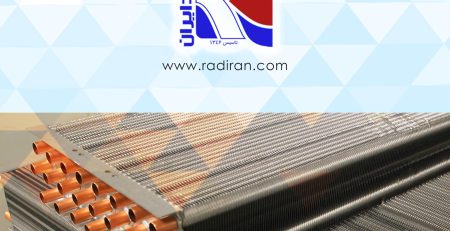
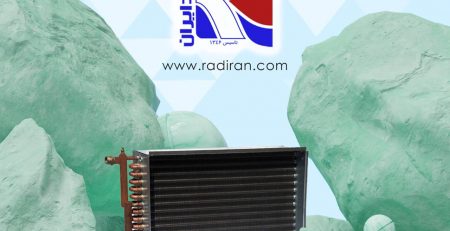
In a shell-and-tube type water-cooled condenser used in a vapor-compression chiller, the use of 3/4-inch copper tubes with external fins is a thermal and economic choice. Although the refrigerant flows on the shell side and cooling water flows inside the copper tubes, the external surface of the tubes still plays an important role in improving heat transfer efficiency. The main reason is that the heat transfer coefficient on the refrigerant side, especially during condensation, is relatively low and must be compensated for by increasing the effective heat transfer area.
When refrigerant vapor enters the shell, it must first release its latent heat and then condense into liquid. This process is slower than heat transfer by convection inside the water tubes. If the available heat transfer area is insufficient, the condensing temperature rises, the condenser pressure increases, and as a result the compressor power consumption increases. External fins increase the contact area, allowing more heat to be transferred from the refrigerant to the tube wall and reducing the thermal resistance on the shell side.
In 3/4-inch tubes, the external surface area is limited relative to the system capacity. By adding fins, the condenser can reject more heat without significantly increasing the physical size of the unit. This is especially important in water-cooled condensers, where the design must remain compact while keeping the condensing temperature difference within acceptable limits. Fins also improve local flow disturbance on the refrigerant side and increase the local heat transfer coefficient.
From an operational standpoint, fins allow the condenser to handle the same thermal load with less heat transfer surface. This reduces copper usage, equipment weight, and manufacturing cost. In addition, better control of condensing temperature improves the chiller’s coefficient of performance, reduces compressor wear, and enhances system stability.
In conclusion, we know that in Radiran, even though water inside the copper tubes has a higher heat transfer coefficient, the main limitation in a water-cooled condenser is usually the refrigerant side in the shell. Therefore, 3/4-inch copper tubes should have external fins to increase the effective heat transfer area and optimize the overall performance of the condenser.