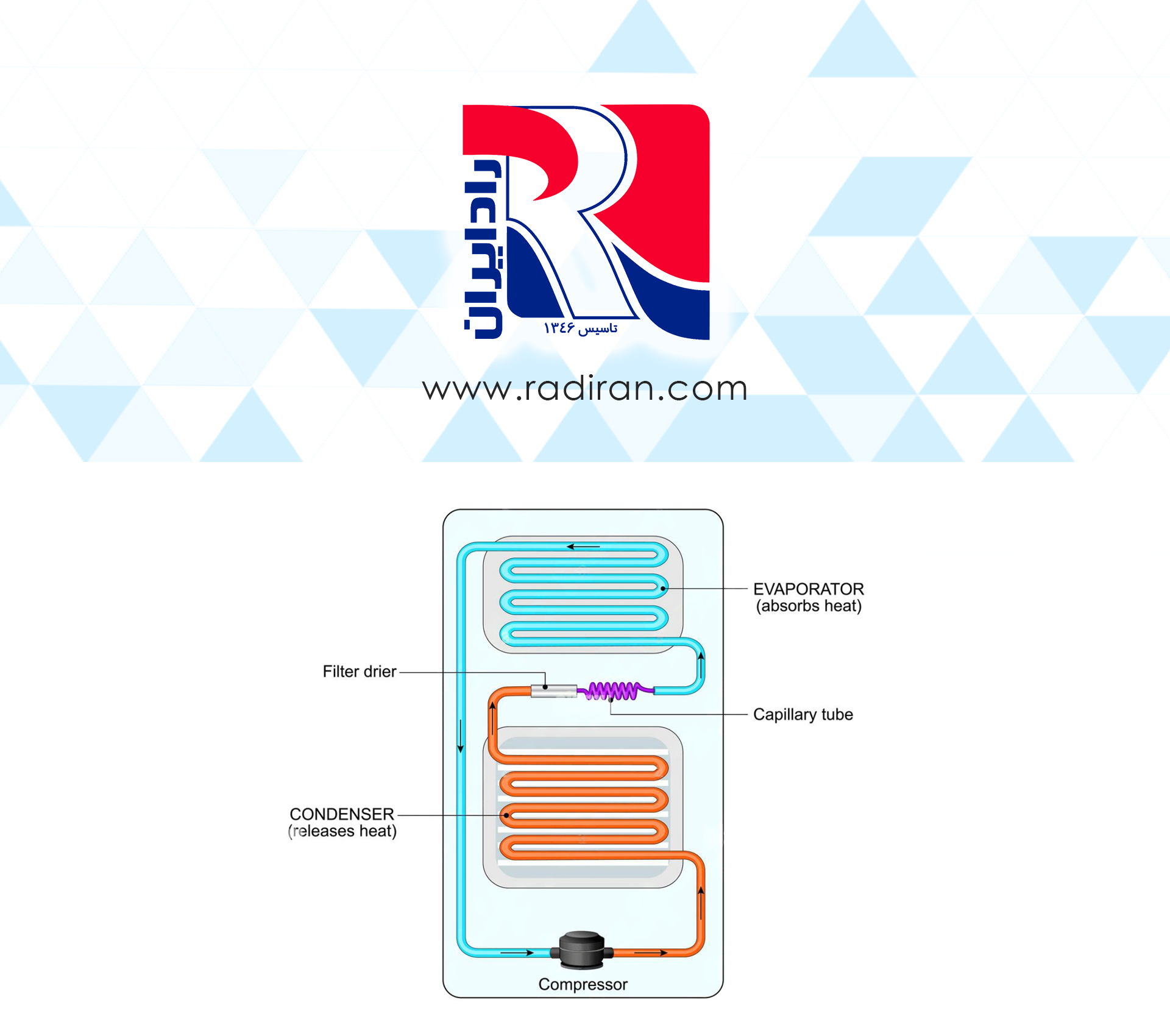
The Process of Refrigerant Condensation in a Condenser – Fin-and-Tube Coil
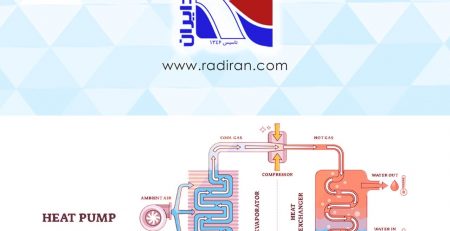
Refrigerant condensation in a fin-and-tube coil condenser is one of the main stages in the refrigeration and air-conditioning cycle. In this section, the refrigerant leaves the compressor as high-pressure, high-temperature superheated vapor and enters the condenser, where it must release its heat to the surrounding environment and change into liquid. This process is essential for the operation of any cooling system.
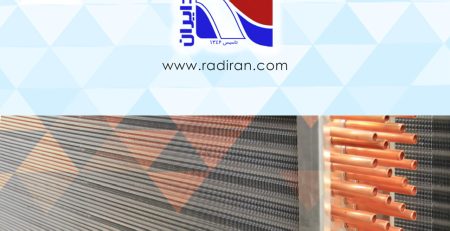
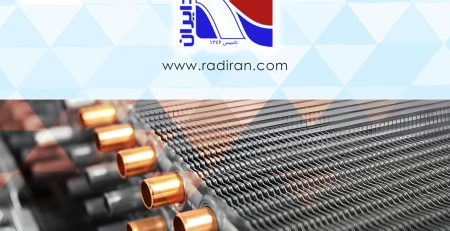
First, the hot vapor refrigerant enters the tubes of the coil, which are usually made of copper or aluminum. Because its temperature is higher than the ambient air, a temperature difference is created, allowing heat to transfer from the refrigerant to the tube surface, then to the fins, and finally to the air passing over them. The condenser fan increases airflow, improving heat removal and raising the efficiency of heat exchange. The fins also enlarge the contact surface, helping heat escape from the tubes more quickly.
In the first stage, the superheated vapor is simply cooled and its temperature drops. This is usually called the sensible cooling zone. Once the refrigerant reaches its saturation temperature, it enters the condensation stage. In this stage, although the temperature remains nearly constant, the latent heat of vaporization is removed from the refrigerant, and the vapor turns into liquid droplets. This is the most important part of condenser operation, because a large amount of energy is rejected during this phase.
After the vapor has fully condensed into liquid, the refrigerant may be cooled slightly further, becoming subcooled liquid before leaving the condenser. Subcooling helps ensure that the refrigerant enters the expansion valve in a stable liquid state and prevents unwanted vapor formation in the liquid line. The result is a refrigerant prepared to re-enter the cycle and produce effective cooling.
In summary, the fin-and-tube condenser uses a large heat-transfer surface, forced airflow, and efficient heat exchange to convert refrigerant from high-pressure vapor into high-pressure liquid. The Radiran quality team confirmed that the quality of this process depends on factors such as coil cleanliness, fan speed, ambient temperature, and refrigerant charge.