Why Copper Tubes Are Preferable in Fin-Tube Coils?
<p>
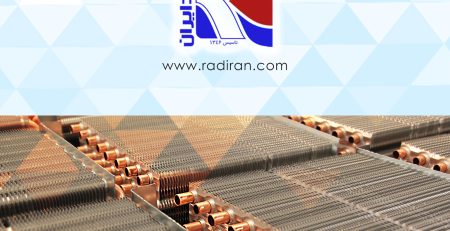
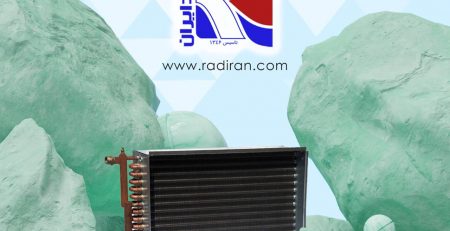
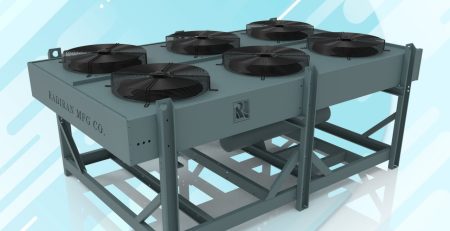
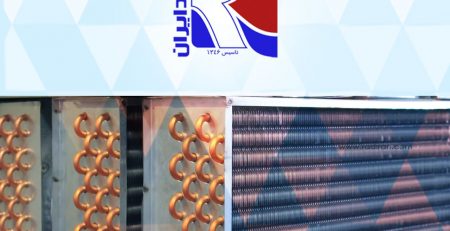
In the design and manufacturing of fin-tube coils used in HVAC systems, chillers, and heat exchangers, selecting the tube material is one of the most critical engineering decisions. The two main options are copper and aluminum tubes. Industry experience and technical research consistently show that copper holds significant advantages over aluminum.
- Higher Heat Transfer Coefficient
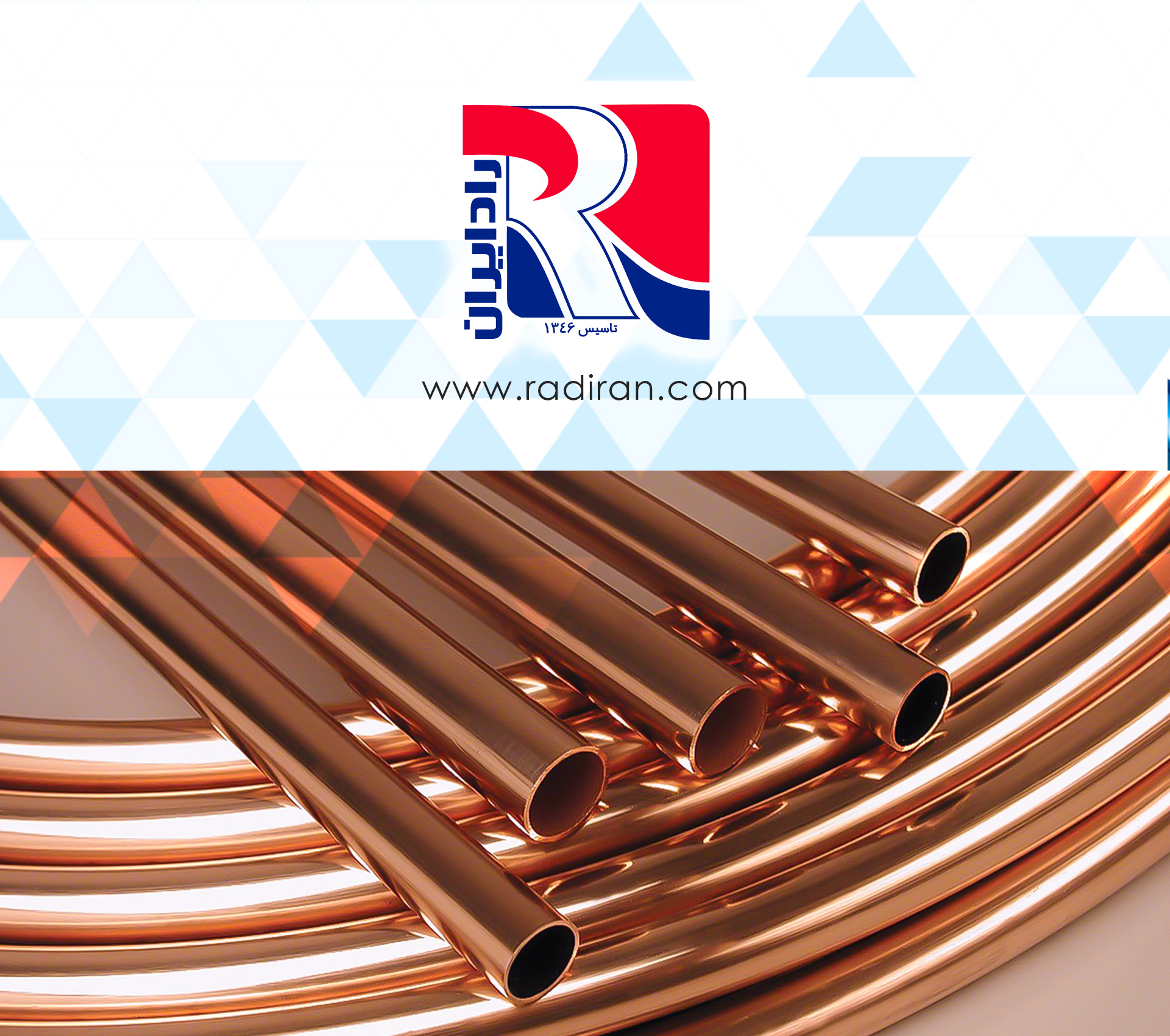
Copper, with a thermal conductivity of approximately 400 W/m·K, is nearly twice as efficient as aluminum at roughly 205 W/m·K. This directly impacts coil efficiency, allowing the same thermal capacity to be achieved with smaller dimensions.
- Superior Mechanical Strength and Formability
Copper tubes withstand the high working pressures of refrigeration systems—typically 15 to 30 bar—far better than aluminum. Copper also offers excellent formability; it can be easily bent without cracking or wall thinning, which is crucial for manufacturing coils with complex geometries.
- Corrosion Resistance
Copper is significantly more resistant to corrosion caused by moisture and chemicals commonly found in refrigeration systems, such as compressor oil and refrigerants. Aluminum, especially in the presence of chloride ions and alkaline environments, is prone to pitting corrosion, which can lead to premature leakage.
- Repairability and Maintenance
Copper tubes can be repaired using brazing or soldering techniques, whereas repairing aluminum tubes is far more difficult and requires specialized welding equipment. This is a major advantage for servicing and maintaining existing systems.
- Galvanic Protection
In fin-tube coils, the fins are typically made of aluminum. If the tubes are also aluminum, the entire assembly is uniformly vulnerable to corrosion. However, the combination of copper tubes and aluminum fins creates a natural galvanic couple, where copper acts as the cathode and aluminum as the sacrificial anode. This means the copper tube—the critical pressure-containing component—is protected, while any corrosion is directed toward the more easily replaced fins.
Conclusion: Based on Radiran’s experience, Although aluminum has a lower initial cost, copper—with its higher energy efficiency, greater durability, repairability, and superior long-term performance—is the technically superior choice for fin-tube coils. The higher upfront investment in copper tubes is typically recovered over the system’s service life.
<p>