Difference Between R22 and R410A Refrigerants
R22 and R410A are two widely used refrigerants in air-conditioning and cooling systems, but they differ significantly in chemical composition, performance, and environmental impact.
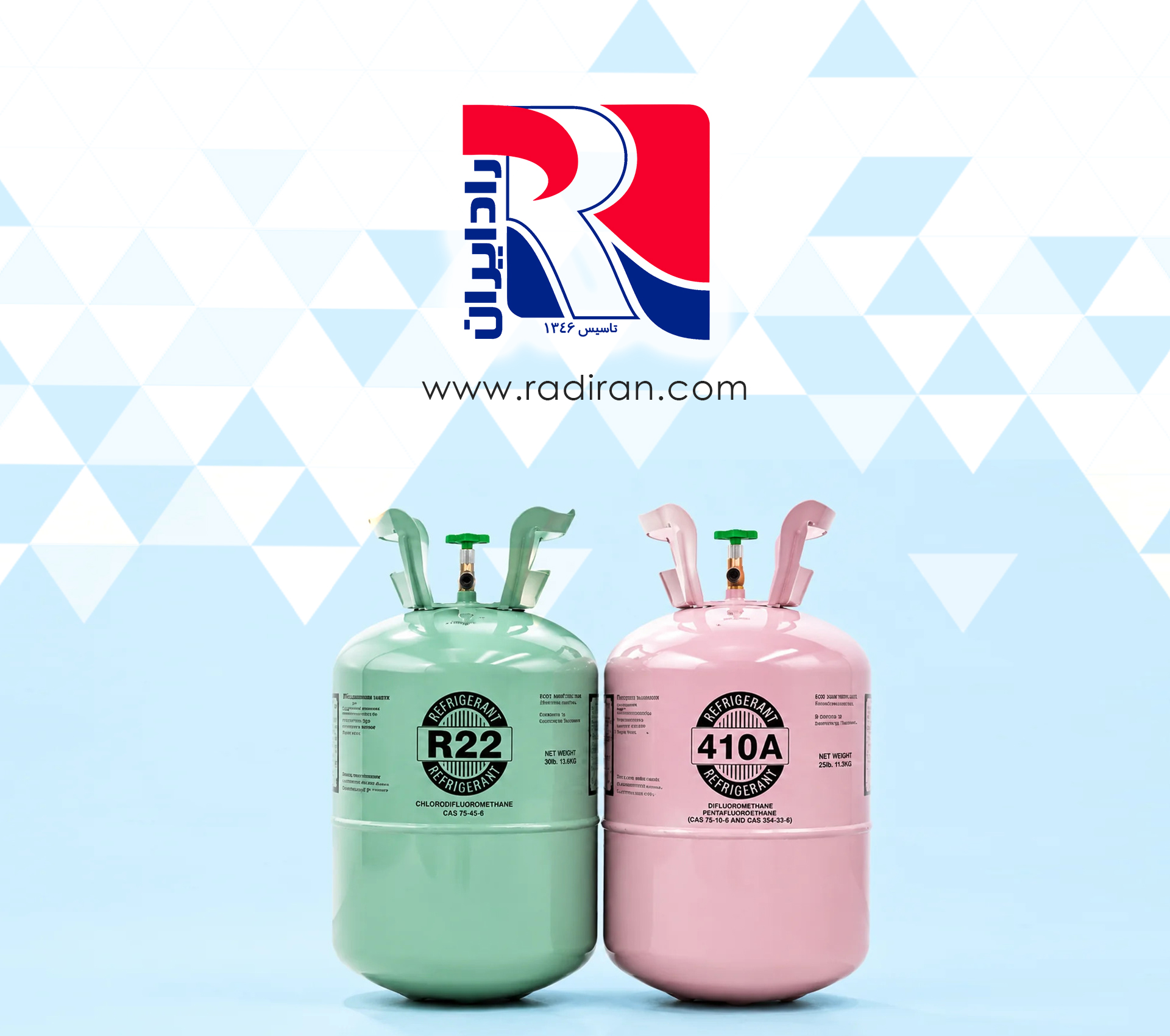
R22 is the chemical name for chlorodifluoromethane and belongs to the HCFC family. It was widely used for years in air conditioners, chillers, and refrigeration systems because of its good heat-transfer performance and relatively easy maintenance. However, R22 contains chlorine, which damages the ozone layer, so its production and use have been restricted or phased out in many countries. Technically, R22 operates at lower pressure than R410A and is mostly found in older equipment.
R410A is a blend of R32 and R125 and belongs to the HFC family. It was introduced as a replacement for R22 because it contains no chlorine and does not harm the ozone layer. R410A has a higher cooling capacity and operates at much higher pressure than R22. For this reason, systems designed for R410A must use stronger components, including a suitable compressor and piping. It is commonly used in modern air conditioners and HVAC systems.
From a practical point of view, R22 is mainly found in older units, and servicing them can be more difficult and expensive because the refrigerant is harder to obtain. In contrast, R410A is the more common choice in newer equipment and is considered a better environmental option, although it is still a greenhouse gas.
In short, In the Radiran we knews, R22 is an older refrigerant with good performance but harmful environmental effects, while R410A is a newer, higher-pressure, and more environmentally friendly alternative.