Yearly Archives - 2026

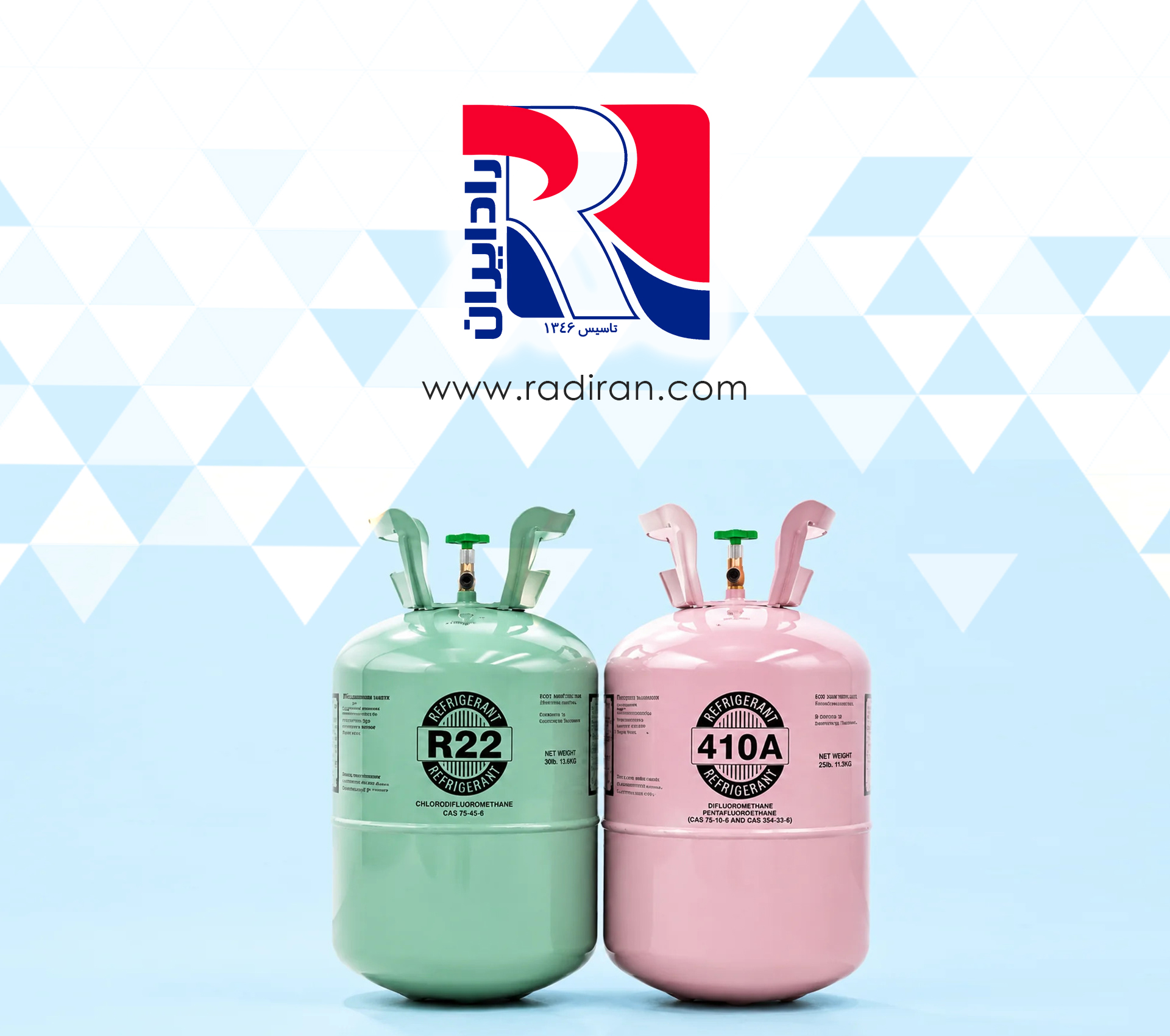
Difference Between R22 and R410A Refrigerants

Difference Between R22 and R410A Refrigerants

R22 and R410A are two widely used refrigerants in air-conditioning and cooling systems, but they differ significantly in chemical composition, performance, and environmental impact. R22 is the chemical name for chlorodifluoromethane and belongs to the HCFC family. It was widely used for years in air conditioners, chillers, and refrigeration systems because of its good heat-transfer performance and relatively easy maintenance. However, R22 contains chlorine, which damages the ozone layer, so its production and use have been restricted or phased out in...

Read more...
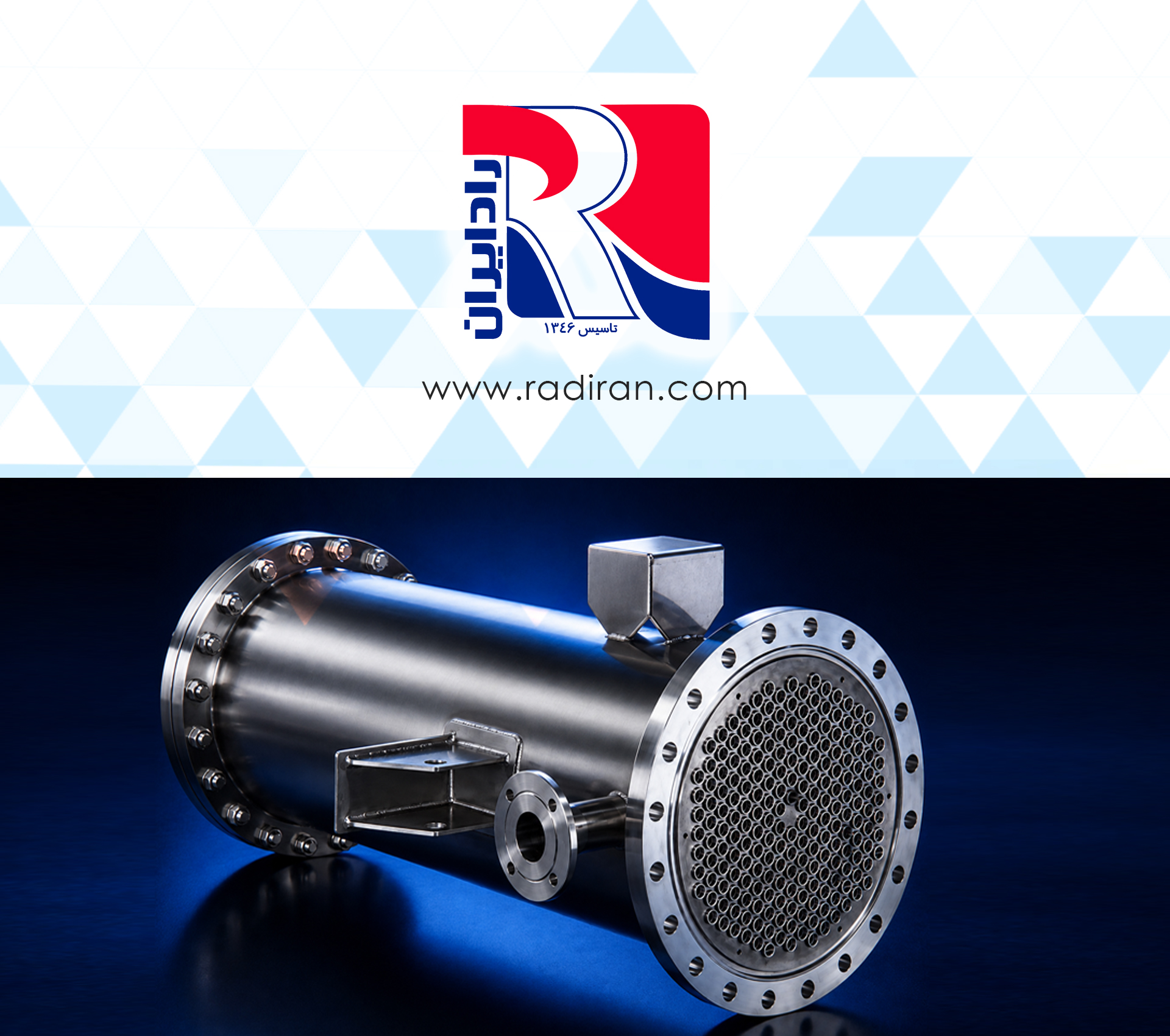
مبدل پوسته‌ و لوله‌ کندانسور آبی

water-cooled condenser

In a shell-and-tube type water-cooled condenser used in a vapor-compression chiller, the use of 3/4-inch copper tubes with external fins is a thermal and economic choice. Although the refrigerant flows on the shell side and cooling water flows inside the copper tubes, the external surface of the tubes still plays an important role in improving heat transfer efficiency. The main reason is that the heat transfer coefficient on the refrigerant side, especially during condensation, is relatively low and must be...

Read more...
سرعت استاندارد آب در یک کویل فین‌تیوب مسی

Standard Water Velocity in a Copper Fin-Tube Coil

The standard water velocity in a copper fin-tube coil is selected to maintain a balance between heat transfer performance, pressure drop, noise level, and equipment durability. If the water velocity is too low, the flow inside the tube becomes weak and the heat transfer coefficient drops. In this condition, the water spends more time in the coil, but the internal mixing is insufficient, so heat is not transferred effectively. As a result, the coil cannot reach its expected thermal capacity, and...

Read more...
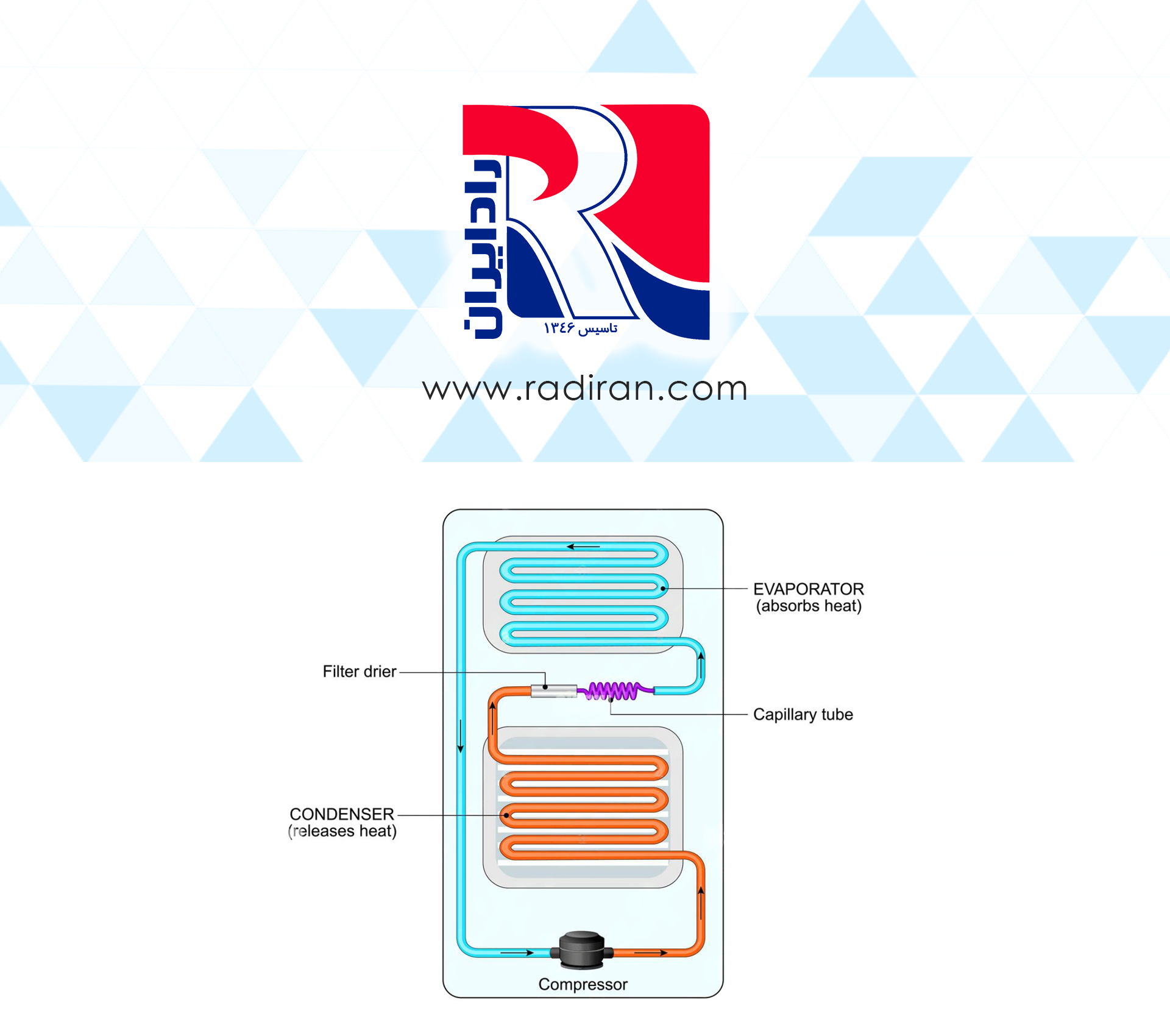
پروسه کندانس مبرد در کندانسور - کویل فین تیوب

The Process of Refrigerant Condensation in a Condenser – Fin-and-Tube Coil

Refrigerant condensation in a fin-and-tube coil condenser is one of the main stages in the refrigeration and air-conditioning cycle. In this section, the refrigerant leaves the compressor as high-pressure, high-temperature superheated vapor and enters the condenser, where it must release its heat to the surrounding environment and change into liquid. This process is essential for the operation of any cooling system. First, the hot vapor refrigerant enters the tubes of the coil, which are usually made of copper or aluminum. Because...

Read more...
جوشش مبرد

Boiling of Refrigerant in the Evaporator – Fin-and-Tube Coil

The evaporator is one of the most important components of the refrigeration cycle, and its main job is to absorb heat from the surrounding environment and convert the refrigerant from liquid to vapor. In a fin-and-tube coil, the refrigerant flows inside the tubes while air passes over the fins. The fins increase the heat-transfer surface area, allowing heat to move from the air to the refrigerant more efficiently. As a result, the temperature of the surrounding environment drops. Boiling begins when...

Read more...
کویل فین‌تیوب

Use of Thermoguard Coating in Finned Tube Coils

A finned tube coil is one of the most important components in heat exchangers, air handling units, condensers, and evaporators, where its main function is to transfer heat efficiently between the fluid inside the tube and the air flowing across the fins. In these coils, the fins are typically made of aluminum and the tubes of copper. Aluminum is chosen for its light weight and good thermal conductivity, while copper provides excellent heat transfer performance and strong pressure resistance. However, this metal combination...

Read more...
چرا در کویل فین‌تیوب بهتر است از لوله مسی استفاده شود؟

Why Copper Tubes Are Preferable in Fin-Tube Coils?

<p> In the design and manufacturing of fin-tube coils used in HVAC systems, chillers, and heat exchangers, selecting the tube material is one of the most critical engineering decisions. The two main options are copper and aluminum tubes. Industry experience and technical research consistently show that copper holds significant advantages over aluminum. Higher Heat Transfer Coefficient Copper, with a thermal conductivity of approximately 400 W/m·K, is nearly twice as efficient as aluminum at roughly 205 W/m·K. This directly impacts coil efficiency, allowing...

Read more...
مقایسه چیدمان خطی و مثلثی در کویل های فین تیوب

Comparison of Inline and Staggered Arrangements in Fin & Tube Coils

Fin and tube coils (aluminum fins with copper tubes) are typically manufactured in two tube layout configurations: inline (straight columnar rows) and staggered (triangular/dense pattern). Each arrangement affects airflow behavior, heat transfer coefficient, pressure drop, and manufacturing costs differently. Inline Arrangement Tubes are placed in uniform rows and columns, forming a rectangular grid rather than a hexagonal pattern. Airflow is more orderly and less turbulent, resulting in uniform velocity distribution and easier convection modeling. The laminar boundary layer at the microscale can...

Read more...
مقایسه Blue Fin و Gold Fin در کویل کندانسور

Blue Fin vs Gold Fin Condenser Coils

Condenser coils are among the most important components of air conditioners and HVAC systems. Their primary function is to transfer heat from the refrigerant to the outside air, allowing the refrigerant to change from gas to liquid. The better this process works, the higher the system's efficiency and the lower its energy consumption. Since the condenser is typically installed outdoors, it is constantly exposed to moisture, dust, rain, airborne salt, pollution, and temperature fluctuations. These factors cause corrosion, rusting, and...

Read more...
Radiran Fin Coil
فین کویل رادیران
کویل پره رادیران

Finned Coil

A Finned Coil is one of the most widely used components in heat transfer systems and plays a critical role in improving thermal efficiency due to its specialized design. According to industry sources, the incorporation of fins into the coil structure significantly increases the effective heat transfer surface area exposed to the surrounding air or process fluid. This characteristic makes finned coils an ideal solution for a wide range of industrial applications. Enhanced Heat Transfer Efficiency The primary application of finned coils...

Read more...