Fin Pitch Selection for Dusty and Polluted Air Conditions in Fin Tube Coils
Introduction
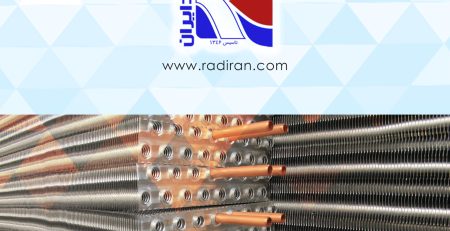
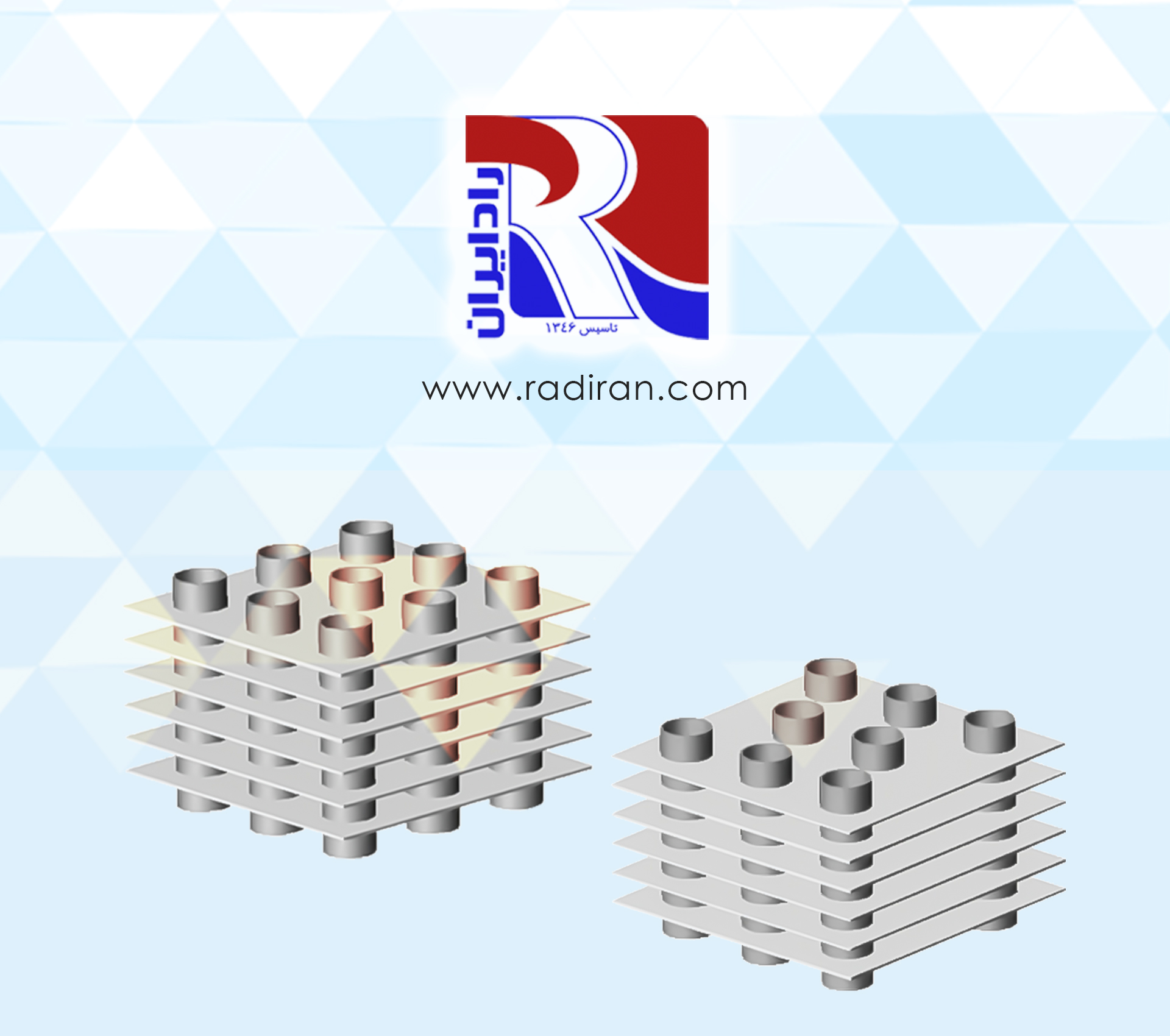
In fin-tube coils used for heat exchange, selecting the fin pitch (spacing between fins) is critical for thermal performance and long-term reliability, especially in dusty or polluted atmospheres. An improper fin pitch can cause degraded heat transfer, excessive pressure drop, and more frequent maintenance.
Factors affecting fin pitch selection
• Type and concentration of contaminants: Environments with coarse particulate matter (industrial dust, sand) promote rapid accumulation on fins; therefore, wider fin spacing is recommended to reduce blockage. Environments with fine or sticky contaminants (oil aerosols, humid pollutants) also require larger spacing and additional protective measures.
• Air velocity: Higher air speeds increase particle momentum and turbulence, which can both help particles pass through or increase impaction and deposition on fins. The chosen fin pitch should balance heat transfer needs against the tendency for fouling.
• Required thermal performance: Tighter fin pitches increase effective heat transfer area and thermal efficiency, but in polluted environments they are more prone to clogging and resulting performance loss.
• Accessibility for maintenance and cleaning: Where routine maintenance is difficult or infrequent, a more open fin pitch extends run time between cleanings and lowers operating cost.
Design strategies and recommendations
• Heavily polluted environments: Use a wider fin pitch (for example, roughly 3–6 fins per inch depending on standards and tube geometry) to keep air passages open and minimize buildup. Combine this with upstream particle filters and anti-fouling coatings (hydrophobic or nanocoatings) where feasible.
• Moderately polluted environments: Select a medium fin pitch (about 6–10 fins per inch) to balance heat transfer and fouling resistance. Design for periodic mechanical cleaning or reverse air blowing.
• Clean environments: Use tighter fin spacing (more than ~10 fins per inch) to maximize heat transfer area and efficiency where fouling risk is low.
Complementary measures for reliable operation
• Install upstream air filtration or pre-treatment to reduce particulate loading.
• Use coated fins and tubes with anti-corrosion and anti-adhesion finishes to reduce particle sticking.
• Implement a preventive maintenance program including compressed-air blowing, water wash, or mechanical brushing as appropriate.
• Monitor pressure drop and thermal performance to determine optimal cleaning intervals.
Conclusion
Fin pitch selection for fin-tube coils must be based on environmental assessment (type and amount of particulate), thermal requirements, and maintenance accessibility. In polluted atmospheres, prioritize wider fin spacing and protective measures to prevent performance loss and frequent servicing; in cleaner settings, tighter fin pitches can be used to improve thermal efficiency.