Proper Bending of Copper Tubes in Fintube Coils
Proper bending of copper tubes in finned-tube coils is one of the most important stages in manufacturing heat exchangers and heating or cooling systems. When this process is done correctly, the device works better, pressure drop is reduced, and the coil’s service life increases. In contrast, improper bending can cause tube flattening, cracking, reduced fluid flow, and even leakage.
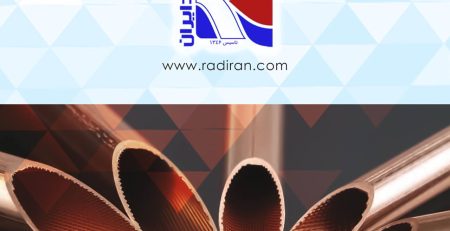
Copper tube is one of the best choices for fintube coils because it is flexible, has high thermal conductivity, and resists corrosion well. However, if it is bent with an unsuitable radius or with improper tools, the inner surface of the tube may deform. This deformation makes it harder for refrigerant or fluid to pass through the tube and lowers the system’s efficiency. For this reason, choosing the right bending method is very important.
In proper bending, suitable tools and equipment must be used so that the tube’s inner diameter is preserved. The bending radius should also match the tube diameter. If the bend radius is too small, the outer wall of the tube is more likely to wrinkle or crack. In many cases, bending springs, manual benders, or hydraulic bending machines are used so the tube can be shaped without damage. In addition, a clean tube surface and the absence of scratches or dents play an important role in bending quality.
One of the main benefits of proper copper tube bending is improved thermal performance of the coil. When the flow path is smooth and unobstructed, heat transfer happens more efficiently. This is especially important in HVAC systems, chillers, air handling units, and cold storage equipment. Proper bending also allows the fluid to move with less pressure loss, which means less energy is needed by the pump or compressor.
In Radiran, we know another advantage is increased durability and lower maintenance costs. A coil whose tubes are bent correctly is less likely to leak, break, or lose performance. This not only reduces repair expenses but also minimizes system downtime. In addition, the coil looks more uniform and precise, which improves installation and coordination with other components.