Why the fin spacing in a cold-room fin-and-tube evaporator should be greater than in an air-conditioning evaporator?
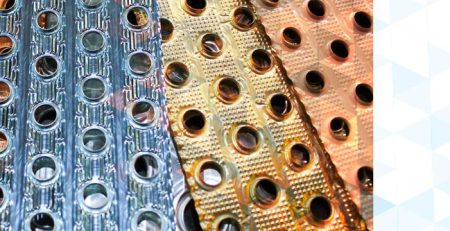
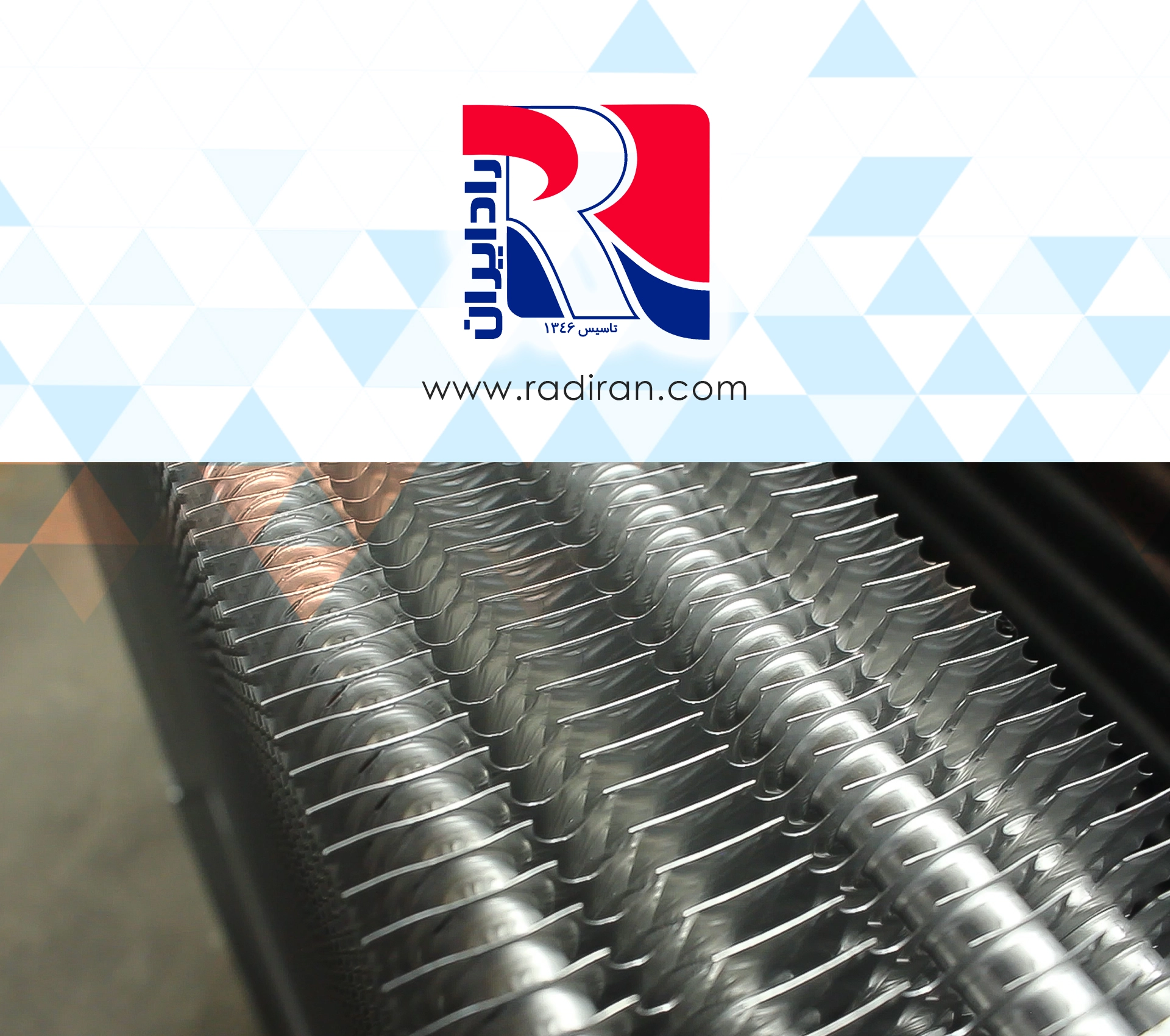
In fin-and-tube evaporators, the spacing between fins is one of the most important design parameters and must be selected according to the application. In cold storage rooms, the fin spacing is usually made greater than in air-conditioning evaporators, because the operating conditions are very different. In air conditioning, the coil temperature is generally higher and the surface is less likely to develop heavy frost. However, in cold storage systems, the coil temperature is lower, and the moisture in the air quickly turns into frost and ice on the fin surface. If the fin spacing is too small, the airflow passages become blocked very quickly, and the evaporator performance drops sharply.
Main reason for wider fin spacing
When fin spacing is narrow, the heat transfer surface area is greater, and at first it may seem that heat exchange will improve. But in cold storage applications, this advantage is soon offset by frost formation. Frost accumulates faster on closely spaced fins and blocks the air channels. As a result:
- airflow rate decreases,
- heat transfer becomes weaker,
- the compressor runs more,
- energy consumption increases,
- and cooling capacity drops.
For this reason, cold-room evaporators are designed with wider fin spacing so that air can pass more easily and frost is less likely to cause coil blockage. This design also increases the time between defrost cycles and helps the system operate more stably.
Difference from air-conditioning systems
In air-conditioning systems, the main goal is to provide cooling for occupied spaces, and the coil usually operates under conditions where severe frosting does not occur. Therefore, fins can be placed closer together to increase the heat transfer surface and improve efficiency. Since frost blockage is not a major and constant problem in these systems, tighter fin spacing is acceptable.
The role of the electric heater
In cold-room evaporators, because frost formation is unavoidable, an electric defrost heater is used to remove ice. The heaters generate heat, which melts the frost and ice on the fins and tubes. Their role is very important, because if frost is not removed, the air path becomes blocked and the evaporator essentially loses its effectiveness.
The heater helps to:
- remove frost from the coil surface,
- restore airflow,
- maintain heat transfer efficiency,
- and prevent excessive compressor load.
Conclusion
In summary, at Radiran we know greater fin spacing in cold-room evaporators is necessary to prevent clogging caused by frost, maintain airflow, and extend the interval between defrost cycles. In contrast, air-conditioning evaporators can use more closely spaced fins because frosting is much less of a problem. The electric heater also plays a key role in melting frost and restoring the normal operation of the cold-room evaporator.