Compressor Overheating in refrigeration system: Causes and Troubleshooting
پیمان داوری2026-09-23T09:13:56+03:30<p>
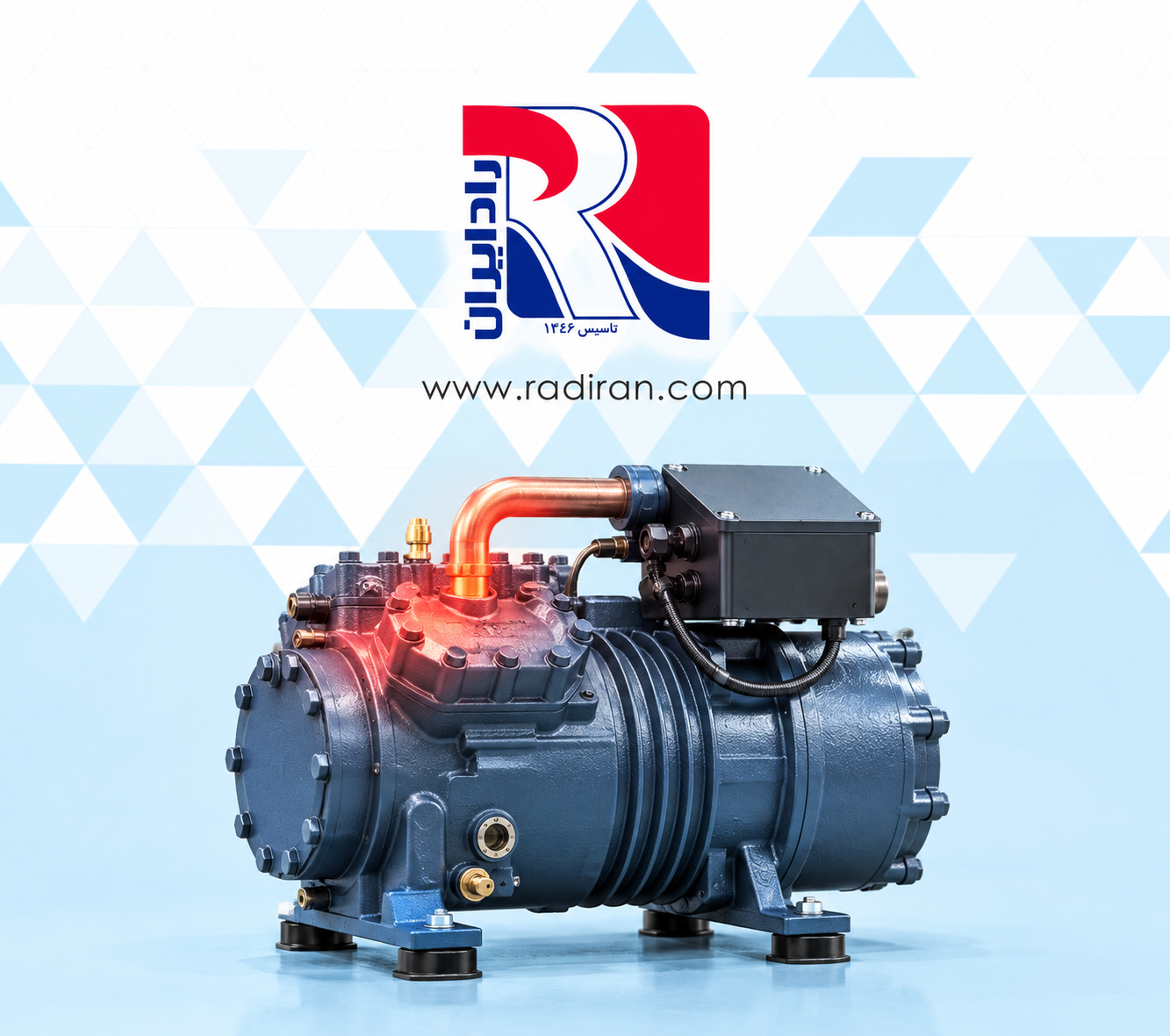
Compressor overheating is a warning sign that a refrigeration system may be operating outside its intended conditions. Prolonged exposure to excessive heat can reduce oil viscosity and weaken lubrication. Depending on the compressor design and how long the problem continues, it may lead to component wear, oil breakdown, valve damage, or motor failure.
The right response is to identify why the compressor is running hot. Cooling its exterior or changing a control setting without diagnosing the system may leave the underlying problem in place.
What causes compressor overheating?
Several operating conditions can raise compressor temperature:
- Low suction pressure or high discharge pressure: Either condition can increase the compression ratio and the heat generated during compression.
- Excessive suction superheat: Refrigerant gas entering the compressor may already be too warm. Possible causes include inadequate evaporator feeding and unwanted heat gain along the suction line.
- Poor condenser performance: A dirty condenser, inadequate airflow, or a faulty fan can increase condensing pressure.
- Insufficient refrigerant flow: Low refrigerant charge, a restriction in the liquid line, or an expansion valve problem can reduce evaporator feeding and the flow of refrigerant returning to the compressor.
- Leaking compressor valves: Where the compressor design includes suction and discharge valves, leakage can also contribute to abnormal temperatures.
These causes require different corrective actions. A high discharge temperature alone does not establish which one is responsible.
How should discharge temperature be checked?
Measuring the discharge line temperature near the compressor outlet helps assess its thermal operating condition. However, the temperature measured on the outside of the line is not the same as the temperature of internal compressor components. Both the measurement location and the acceptable limit should come from the documentation for the specific compressor model.
For example, guidance for certain Copeland compressors lists a discharge line temperature limit of 225°F (107°C). It also specifies a location approximately 6 inches (15 cm) from the compressor for a discharge line protection thermostat. These figures must not be treated as universal limits: other compressors can have different requirements.
A practical troubleshooting sequence
1. Record the operating conditions. Measure suction pressure, discharge pressure, discharge line temperature, and suction gas temperature while the system is operating steadily. Compare the results with the compressor manufacturer’s approved operating range.
2. Check suction superheat. If superheat is excessive, investigate refrigerant charge, liquid-line restrictions, evaporator feeding, and expansion valve operation. Determine the cause before adjusting the valve or adding refrigerant.
3. Inspect the condenser. Check coil cleanliness, fan operation, airflow, and clearance around the unit. After correcting any problems, measure discharge pressure and temperature again.
4. Examine the suction line and compressor. If the suction line is gaining unwanted heat, inspect its insulation. If operating temperatures remain abnormal after system conditions have been checked, investigate faults within the compressor, including valve leakage where applicable.
5. Verify protective controls. Check the operation and settings of low-pressure controls and discharge temperature protection against the manufacturer’s instructions. Changing a safety cut-out setting without resolving the cause of overheating can allow damage to continue.
Conclusion
Compressor overheating is a symptom, not a diagnosis. Effective troubleshooting starts with reliable pressure and temperature measurements, followed by checks of superheat, evaporator feeding, condenser performance, and protective controls. Always use the operating limits and measurement instructions specified for the installed compressor model.